Every Learner Everywhere
Achieving the Dream
Part of
Archived Resources
Archived Resource

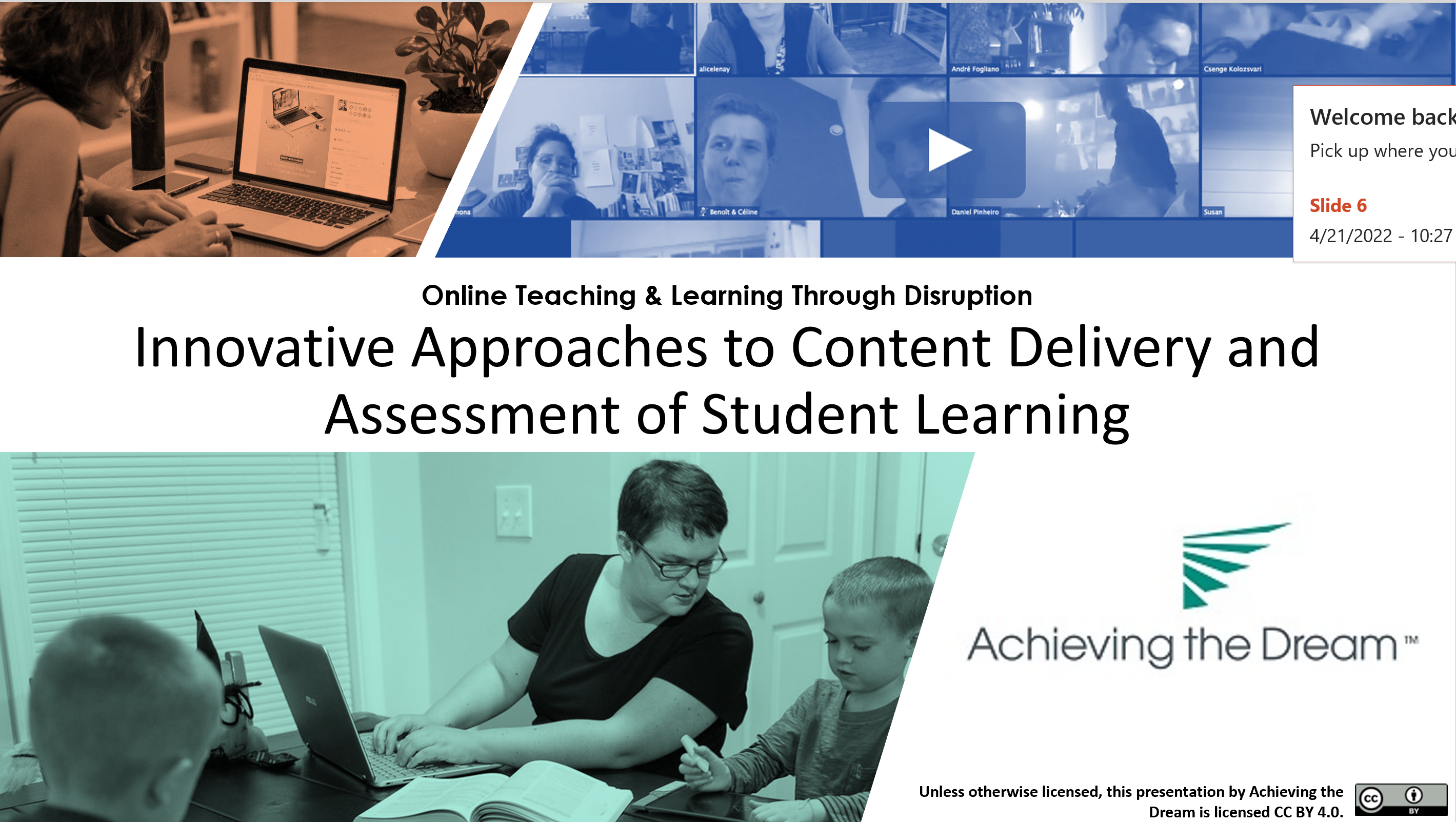
Innovative Approaches to Content Delivery and Assessment of Student Learning

As college campuses make a sudden, unexpected transition to online learning, how do faculty continue to effectively bring course content to their now-remote students?  How can instructors translate and make accessible activities designed for face-to-face instruction (e.g., labs and other experiential learning opportunities) to an unfamiliar online environment?  How can faculty approach formative and summative assessments to mark student progress, offer timely feedback, and easily access open content through online channels? In the third webinar in Achieving the Dream’s Online Teaching & Learning Through Disruption series ATD’s Teaching and Learning team will address how to translate some of these key components of face-to-face classroom practice to the online environment with innovative approaches to content delivery by exploring digital tools, open content, and alternate approaches to assessment that support students and foster learning.

Presenters: Susan Adams, Instructional Designer at ATD; Richard Sebastian, Director of Open & Digital Learning at ATD; and Karen Stout, President and CEO of ATD; Jon Iuzzini, Director of Teaching & Learning at ATD; Francesca Carpenter, Director of Equity Initiatives at ATD

DecorativeThis resource has been archived and may not be fully accessible to WCAG 2.1 standards. If you need an accessible version of this video or a transcript, please fill out our Every Learner Accessibility Request Form.

Recommended citation:

Iuzzini, J., Adams, S., Carpenter, F., Sebastian, R., and Stout, K. (2020, April 7) Webinar on Online Teaching & Learning Through Disruption: Innovative Approaches to Content Delivery and Assessment of Student Learning [Video] Achieving the Dream. https://www.youtube.com/watch?v=Qw7IkdrUfs0


Other Related Resources

Pillar Resource

noviembre 2026

This new playbook gives faculty practical strategies for supporting student agency, so students can build the judgment to make informed choices about AI in their own learning. Whether your course welcomes AI, limits it, or does some of each, the playbook shows how clear, intentional choices can lower student anxiety, build trust, and support real learning.

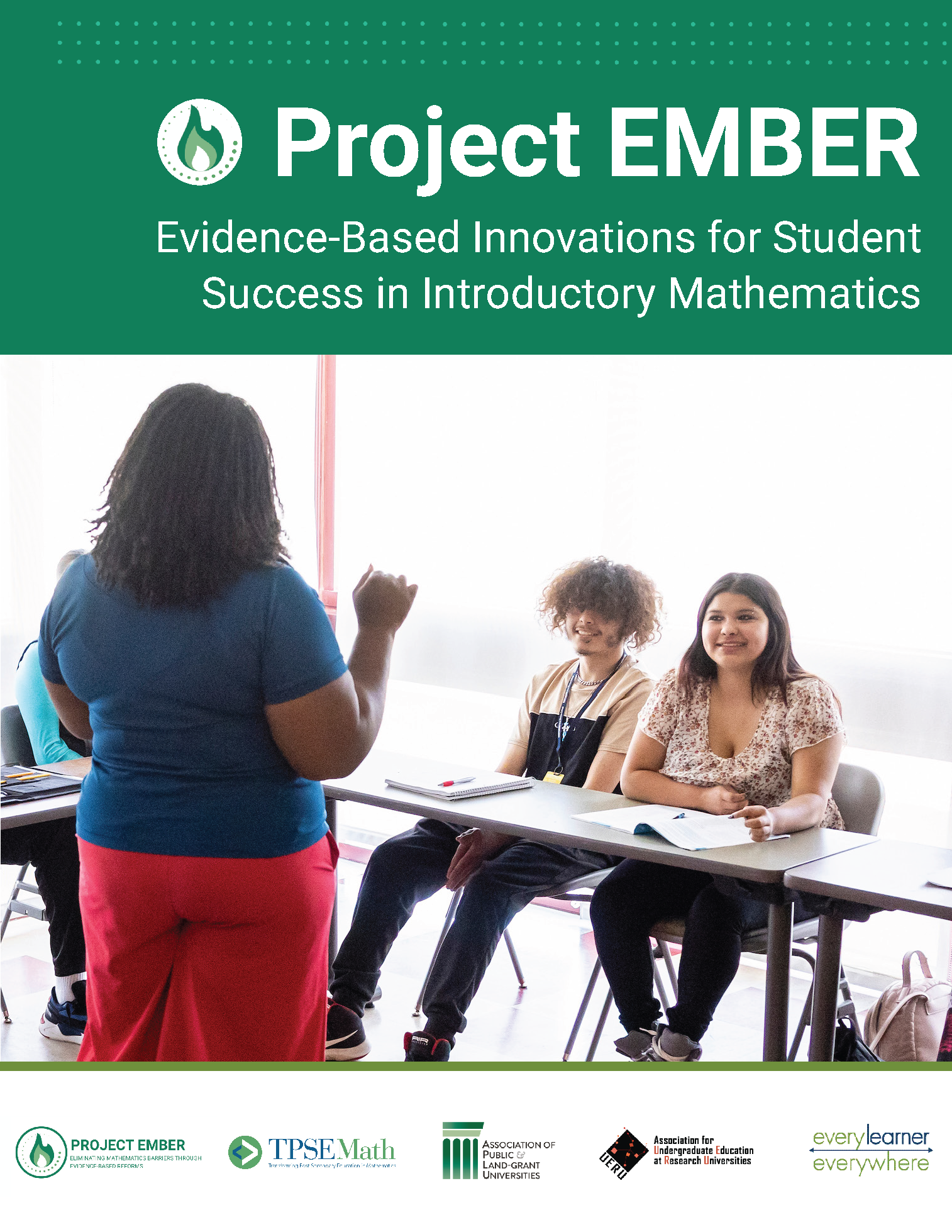
COVER Evidence-Based Innovations for Student Success in Introductory Mathematics with title, photo of faculty standing in front of students learning in class.

septiembre 2026

Evidence-Based Innovations for Student Success in Introductory Mathematics is designed to help teaching-focused faculty, course coordinators, and department and institutional leaders answer a practical question: which reforms should we try? This resource covers eight evidence-based innovations: active pedagogy, course coordination, math pathways, corequisite supports, tech-enabled instruction, alternative grading, using data in decision-making, and identity and belonging.

Pillar Resource

agosto 2026

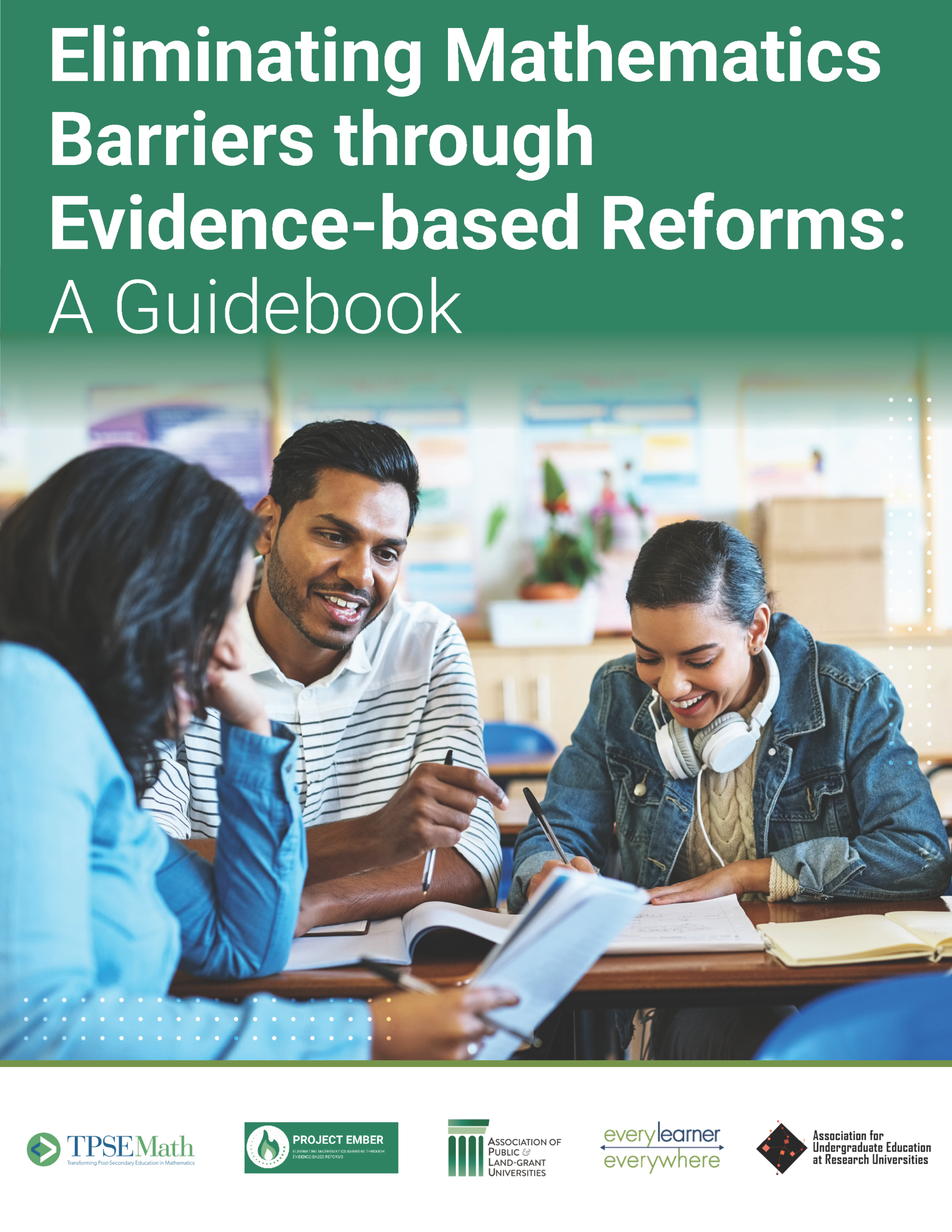
This guidebook gives your institution a clear, practical roadmap for transforming introductory mathematics, from first conversations to lasting, systemic change. This isn’t a theoretical framework. It’s a field-tested, action-oriented resource grounded in real research and real institutional experience, designed to help your team move from “we know something needs to change” to “here’s our plan, and here’s who’s doing what.”