Every Learner Everywhere

ASU Remote 2022: Toward Ending the Monolithic View of “Underrepresented Students” In U.S. Higher Education

Equity efforts in U.S. colleges and universities are limited by their tendency to aggregate data and discourse about all so-called “underrepresented students.” Aggregation hides unique needs, assets, and intergroup heterogeneity. The session summarizes what was learned through interviews with students, academic leaders, and student advocates about how disaggregating learner data can enable equity-centered education for minoritized, poverty-affected, and first-generation students.

Presenter: Robert McGuire, Owner McGuire Editorial & Consulting, LLC

View recording without audio description View recording with audio description View Transcript Slides used in video

 

Recommended citation:

McGuire, R. (2022, June 9) Toward ending the monolithic view of “Underrepresented Students” in U.S. Higher Education [Video] Every Learner Everywhere® and ASU Remote Faculty Summit. https://www.youtube.com/watch?v=l9O0En6_Yg0&list=PLc9-1gBe1Xr_KX_6fu5NFtHi6IslxP3I3&index=12


Other Related Resources

Pillar Resource
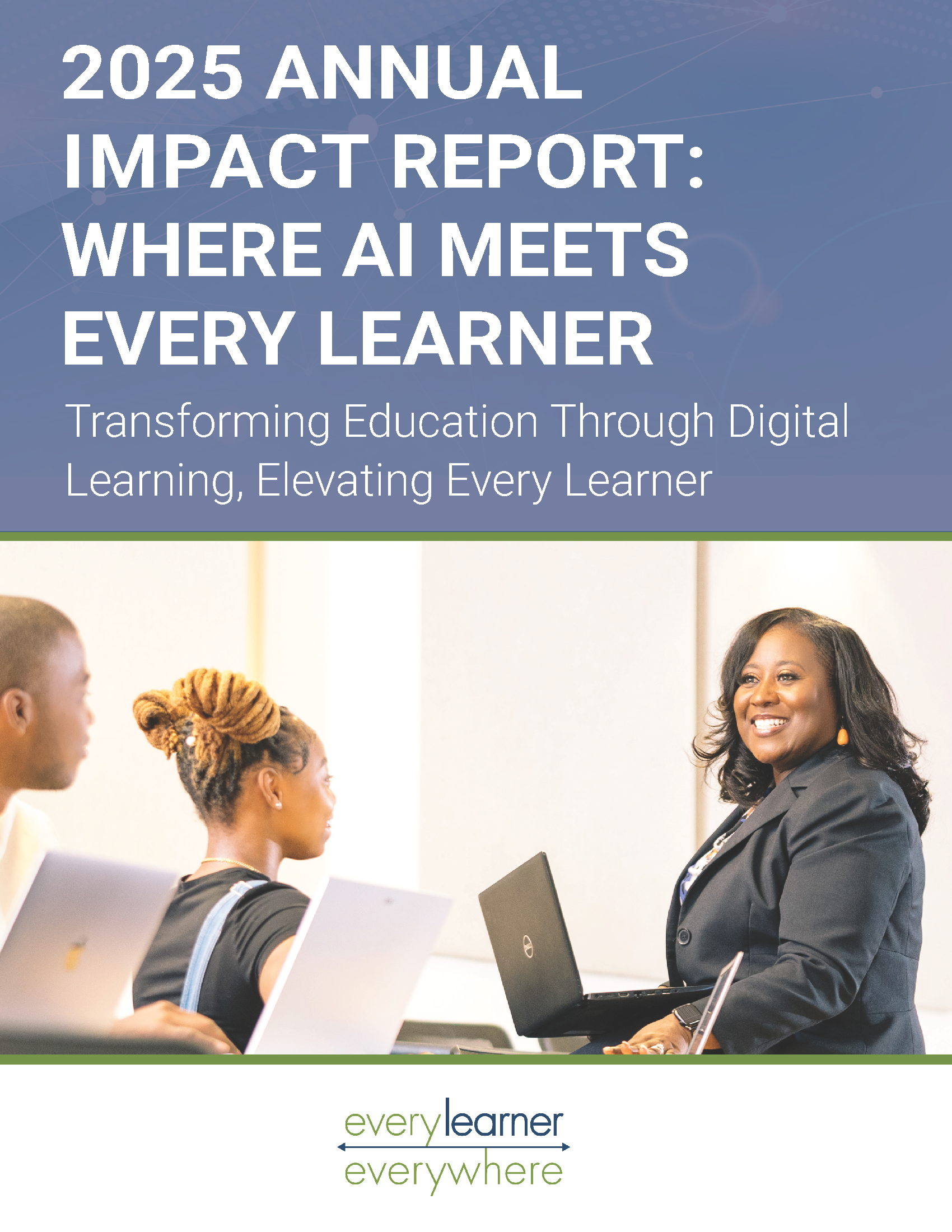
Cover page of the 2025 annual impact report: Where AI Meets Every Learner. With a photo of a female professor holding a laptop smiling with two students seated in front.

mayo 2026

In 2025, Every Learner Everywhere helped hundreds of higher education institutions navigate a rapidly changing landscape, expanding access to evidence-based digital learning, deepening student success for every learner, and meeting the moment as AI reshapes what’s possible in the classroom.

Pillar Resource
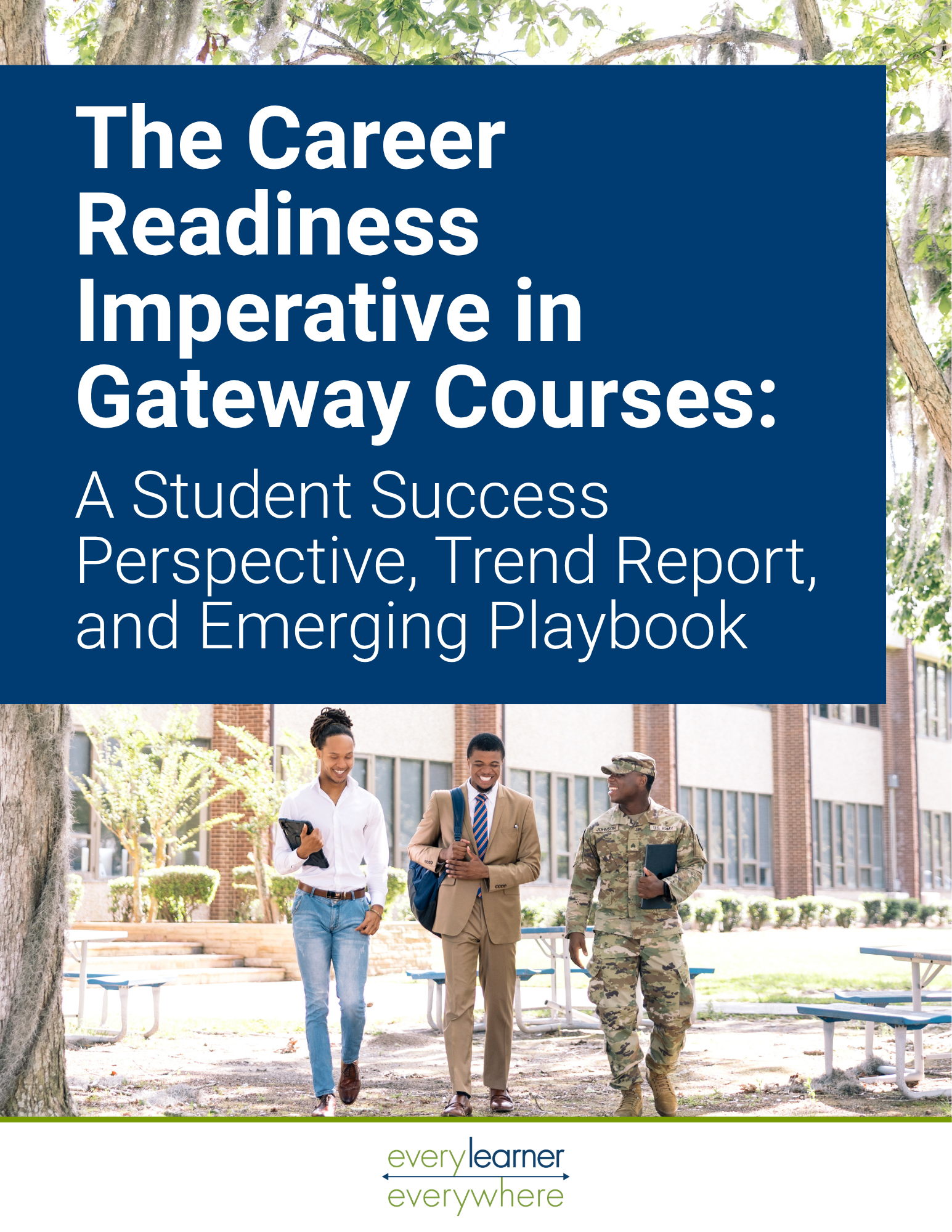
Three college students walk on a campus path in front of a brick building, one in casual attire with a tablet, another in a suit with a backpack, and the third in military uniform carrying a folder. Image depicts the career readiness imperative.

abril 2026

This resource examines the growing trend of U.S. colleges and universities integrating career readiness into academic courses, with particular attention to gateway and general education courses early in degree programs. It focuses on how students experience the relevance of what they learn in these early courses, and it provides strategies institutions can use to help students experience that relevance earlier, more explicitly, and more consistently.

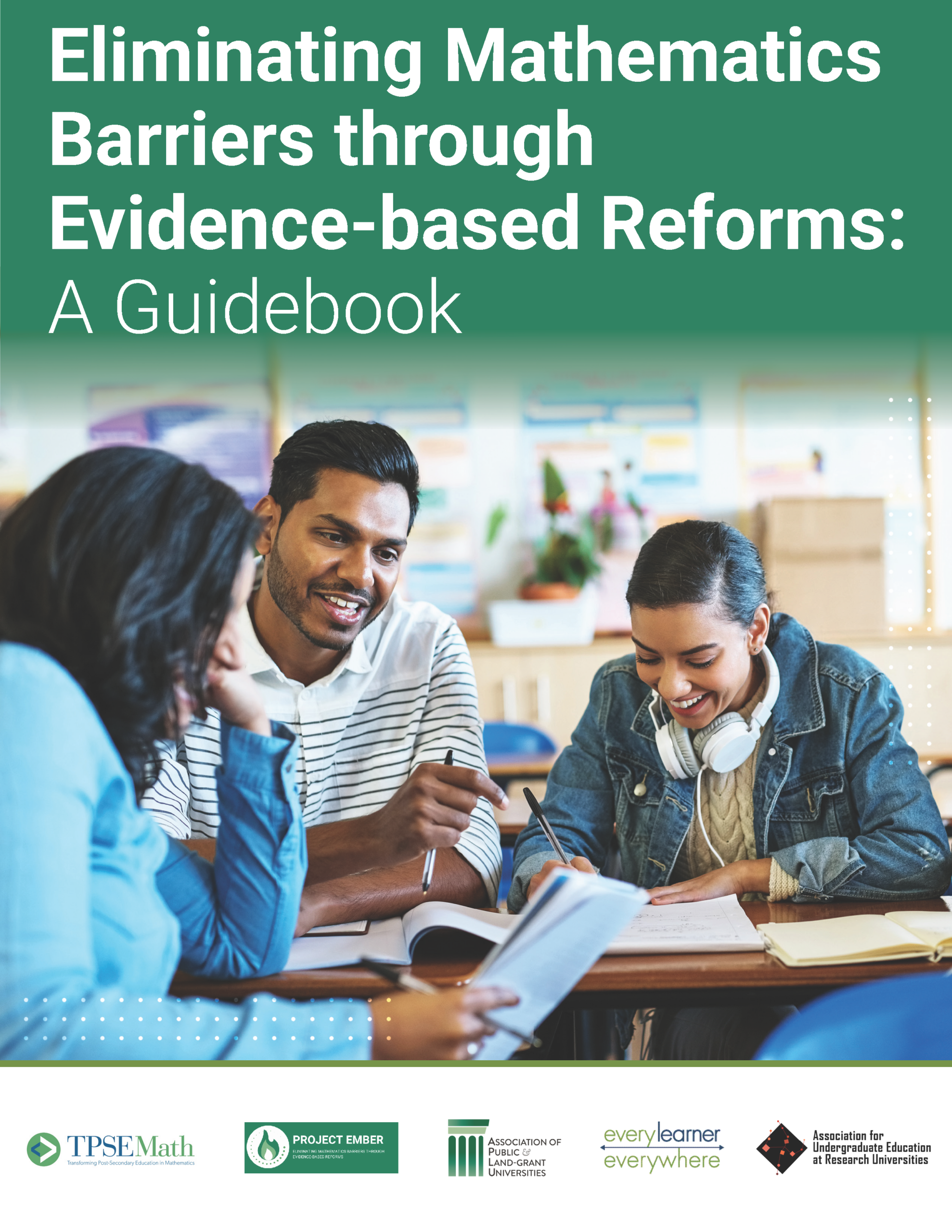
Resource Cover page from The IIRP Graduate School's Course Design for Student Success Rubric with title, photo of student holding tablet and org logos.

marzo 2026

The IIRP Graduate School’s Course Design for Student Success Rubric, is a robust rubric, designed to support student engagement, access, and success across varied learner populations and institutions, including undergraduate, graduate, 2-year, etc. We want to inspire faculty, instructional designers, and administrators along their path of continual improvement.