Every Learner Everywhere
Intentional Futures

Improving departmental equity using the IMPACT Framework

Improving Departmental Equity Using the IMPACT Framework includes step-by-step instructions and worksheets for experts and novices alike to anticipate, acknowledge, and redress racism perpetuated by academic departmental policies and practices. This resource is meant to accompany Getting Started With Equity: A Guide for Academic Department Leaders, which walks academic department leaders through the process of conducting an equity audit of the department’s teaching practices and policies, lays out evidence-based teaching practices that support educational equity, and outlines inequities and how to redress them in specific academic disciplines. 

This resource will help committed educators develop an anti-racist analytical framework, based on an anti-racist growth mindset — the belief that all people, including educators, have the potential for constant evolution and development of a more thorough understanding and practice of anti-racist behaviors. The exercises and processes outlined here will help you and your team decide how and where to begin in making your academic department a more equitable place for minoritized, first-generation, and poverty-affected students.

Improving equity requires acknowledging where and why inequities exist and actively working to eliminate them. The process outlined in Getting Started With Equity requires intentional steps to identify and analyze policies and practices that may be driving inequitable access, experiences, and outcomes for racially minoritized and poverty-affected students. Improving Departmental Equity Using the IMPACT Framework provides departmental task forces with a process for redressing the inequities identified in the departmental equity audit.

Download Improving Departmental Equity Using the IMPACT Framework

See the companion resource Getting Started With Equity
Recommended citation:

Sims, J. and Sims, R. with Edney, N., Gable, T., and O’Sullivan, P. (2021, October 12) Improving Departmental Equity Using the IMPACT Framework. Every Learner Everywhere®.


Other Related Resources

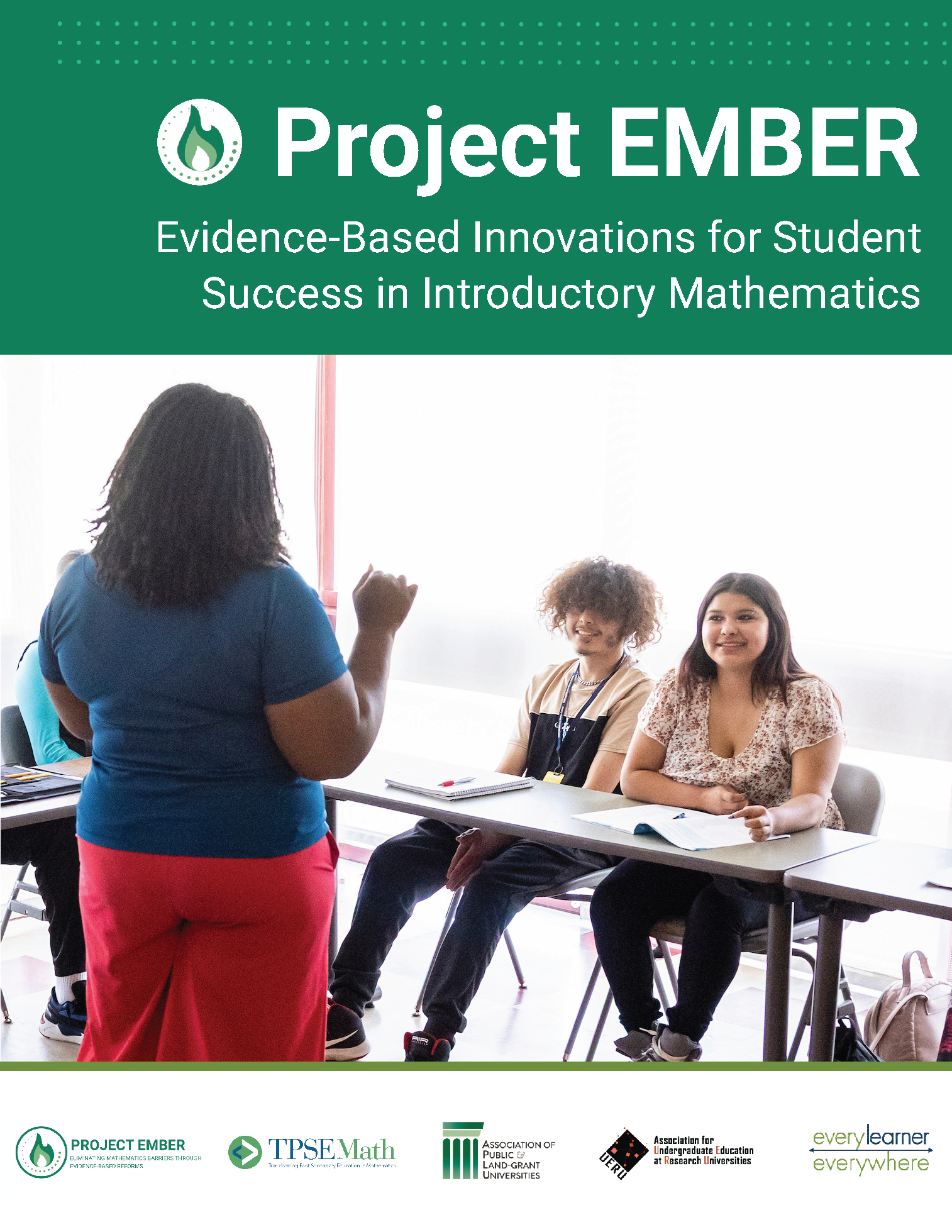
COVER Evidence-Based Innovations for Student Success in Introductory Mathematics with title, photo of faculty standing in front of students learning in class.

septiembre 2026

Evidence-Based Innovations for Student Success in Introductory Mathematics is designed to help teaching-focused faculty, course coordinators, and department and institutional leaders answer a practical question: which reforms should we try? This resource covers eight evidence-based innovations: active pedagogy, course coordination, math pathways, corequisite supports, tech-enabled instruction, alternative grading, using data in decision-making, and identity and belonging.

Pillar Resource

agosto 2026

This guidebook gives your institution a clear, practical roadmap for transforming introductory mathematics, from first conversations to lasting, systemic change. This isn’t a theoretical framework. It’s a field-tested, action-oriented resource grounded in real research and real institutional experience, designed to help your team move from “we know something needs to change” to “here’s our plan, and here’s who’s doing what.”

Pillar Resource
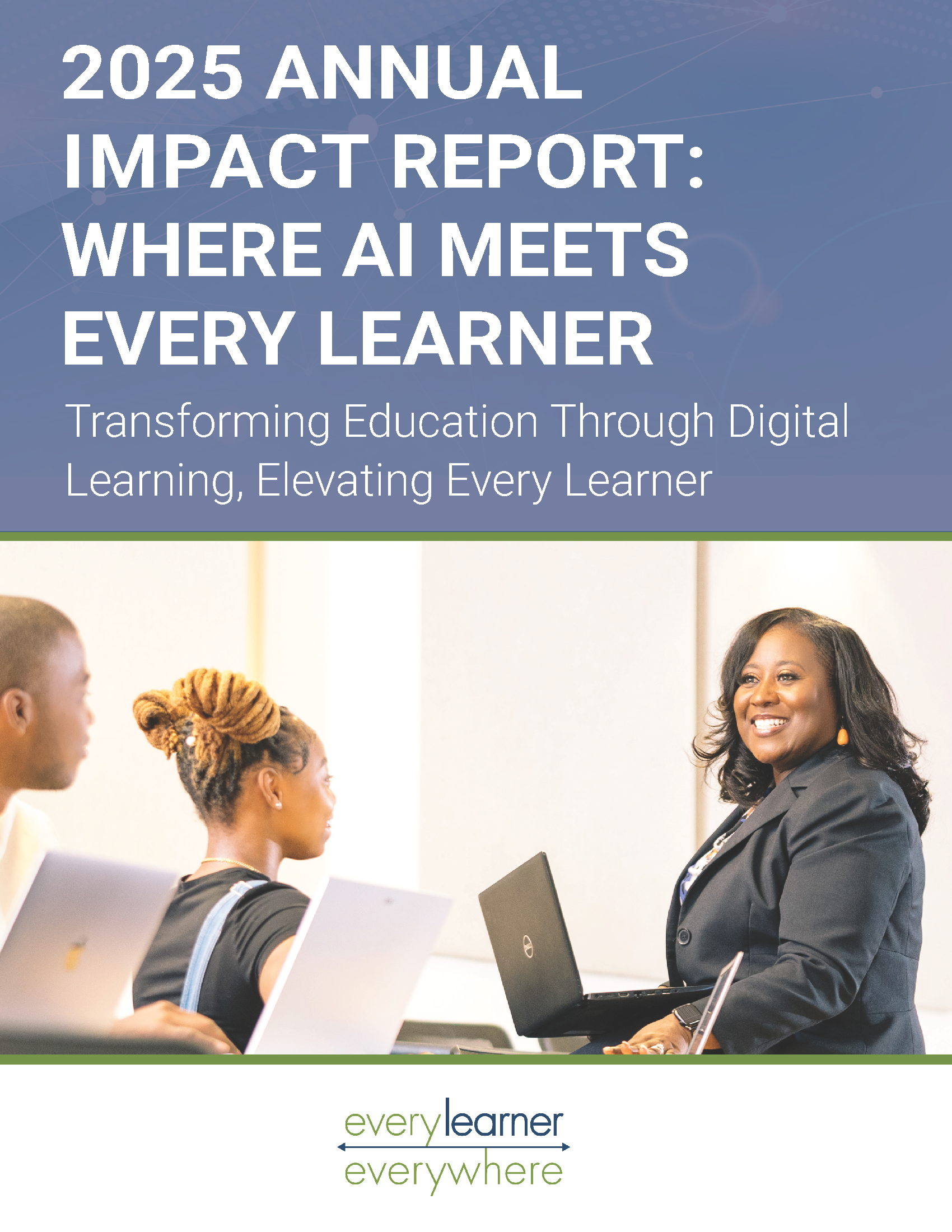
Cover page of the 2025 annual impact report: Where AI Meets Every Learner. With a photo of a female professor holding a laptop smiling with two students seated in front.

mayo 2026

In 2025, Every Learner Everywhere helped hundreds of higher education institutions navigate a rapidly changing landscape, expanding access to evidence-based digital learning, deepening student success for every learner, and meeting the moment as AI reshapes what’s possible in the classroom.