Every Learner Everywhere
Association of Public and Land-grant Universities
Part of
Archived Resources
Archived Resource

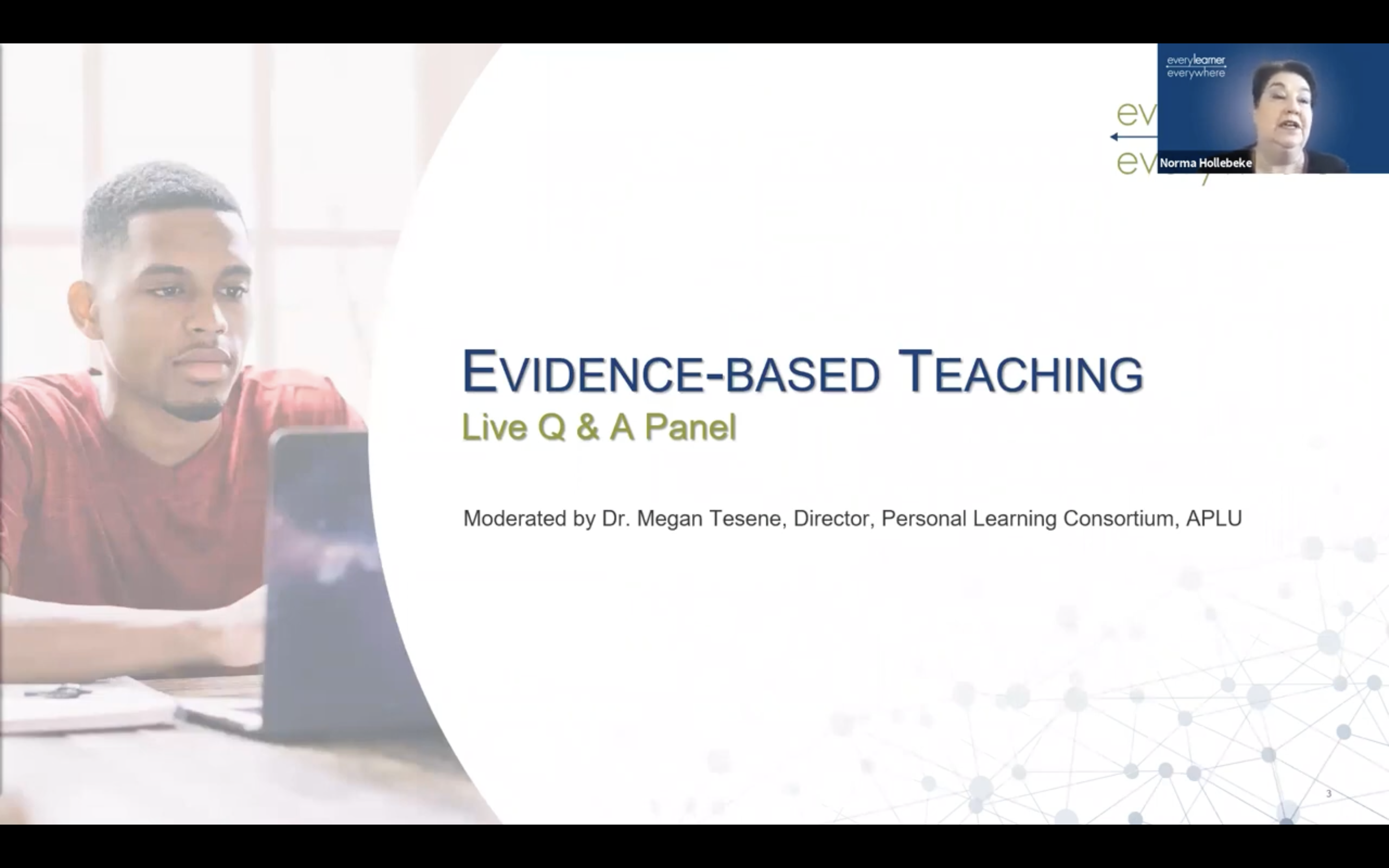
Ask an Expert Live Q & A: Evidence-Based Teaching

Learning is a lifelong process, and we are concerned with the evidence for what makes “good and timeless learning,” especially at a time when many faculty are being asked to teach online for the first time. Evidence-based teaching strategies extend well beyond theory and research-supported practices. Evidence-based learning means that the approach to teaching is based on “evidence that learning has occurred”. Why is this topic so important right now? Because it adds value to the teaching and learning process with strategies that impact student engagement, metacognitive skills, and long-term content retention in the digital classroom.

Presenters: Megan Tesene, Director of the Personalized Learning Consortium at the APLU; Ryan Luke, Assistant Professor of Mathematics at the University of Louisville; and Patricia O’Sullivan, Instructor of health ethics at the University of Mississippi

To view from the other recordings in the Every Learner 2021 Strategies for Success Series, please visit the playlist on the Every Learner Everywhere® YouTube channel.

DecorativeThis resource has been archived and may not be fully accessible to WCAG 2.1 standards. If you need an accessible version of this video or a transcript, please fill out our Every Learner Accessibility Request Form.


Recommended citation:

Tesene, M., O’Sullivan, P., and Luke, R. (2021, April 16) Ask an Expert Live Q & A: Evidence-Based Teaching [Video]. Every Learner Everywhere® Strategy for Success Series. https://www.youtube.com/watch?v=7mxaVHAqiKQ


Other Related Resources

Pillar Resource

noviembre 2026

This new playbook gives faculty practical strategies for supporting student agency, so students can build the judgment to make informed choices about AI in their own learning. Whether your course welcomes AI, limits it, or does some of each, the playbook shows how clear, intentional choices can lower student anxiety, build trust, and support real learning.

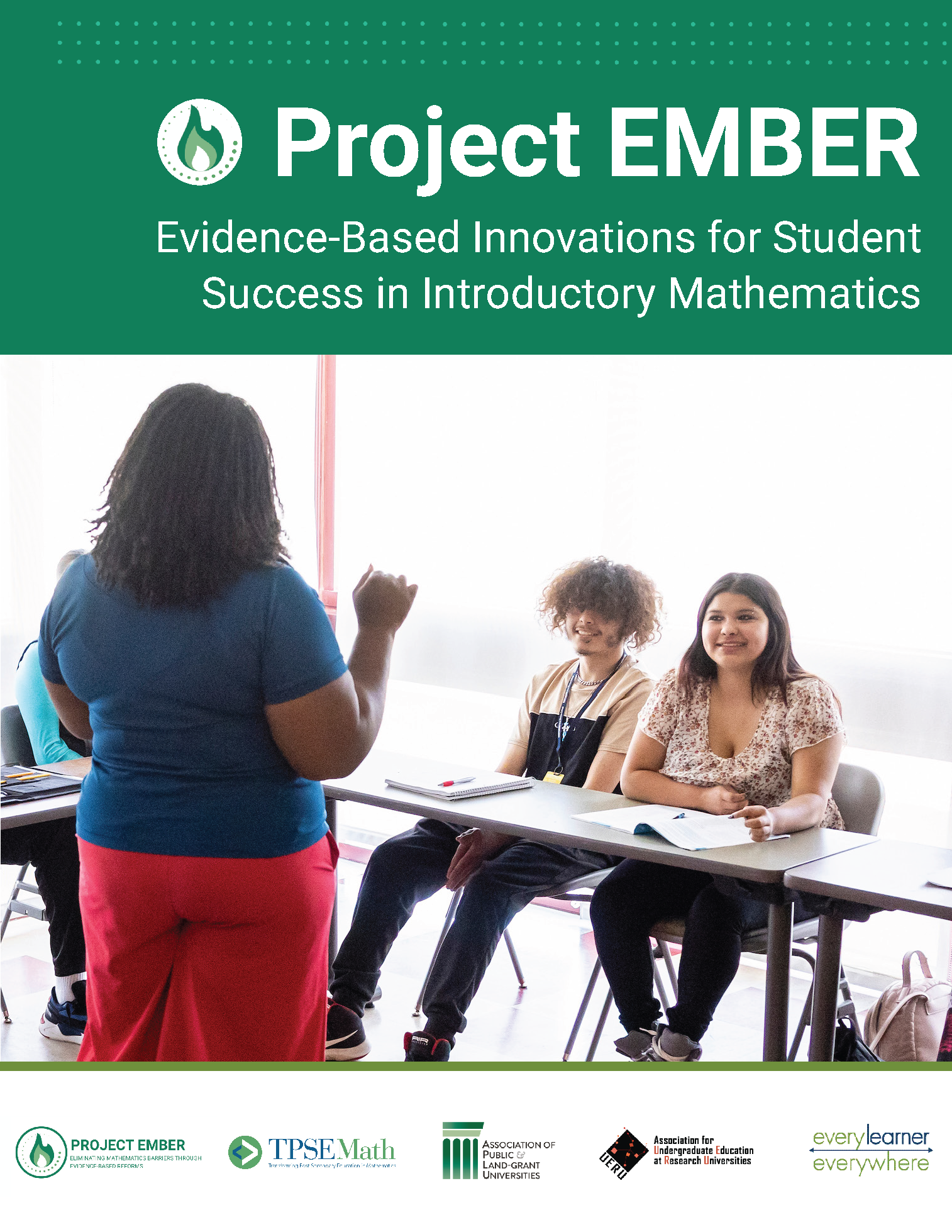
COVER Evidence-Based Innovations for Student Success in Introductory Mathematics with title, photo of faculty standing in front of students learning in class.

septiembre 2026

Evidence-Based Innovations for Student Success in Introductory Mathematics is designed to help teaching-focused faculty, course coordinators, and department and institutional leaders answer a practical question: which reforms should we try? This resource covers eight evidence-based innovations: active pedagogy, course coordination, math pathways, corequisite supports, tech-enabled instruction, alternative grading, using data in decision-making, and identity and belonging.

Pillar Resource

agosto 2026

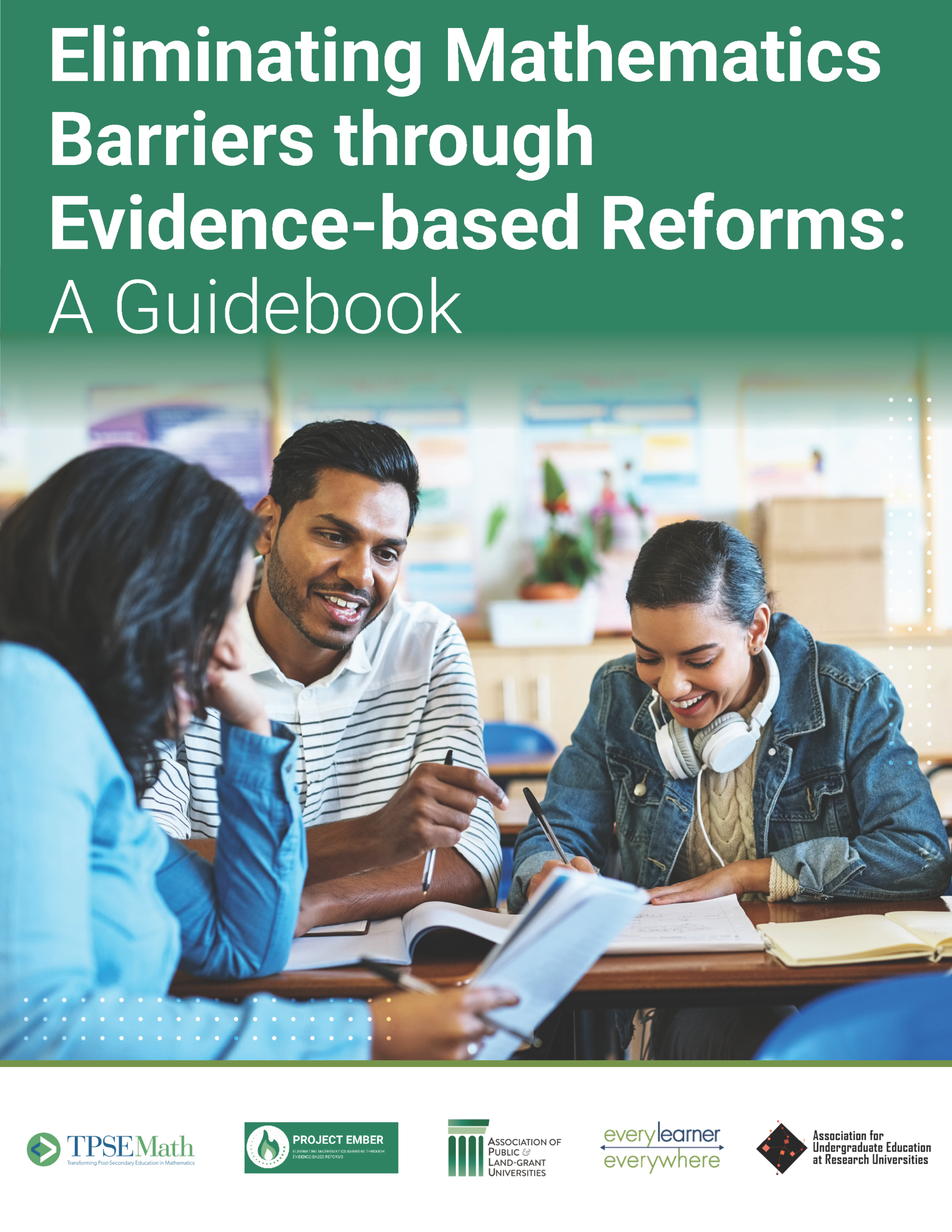
This guidebook gives your institution a clear, practical roadmap for transforming introductory mathematics, from first conversations to lasting, systemic change. This isn’t a theoretical framework. It’s a field-tested, action-oriented resource grounded in real research and real institutional experience, designed to help your team move from “we know something needs to change” to “here’s our plan, and here’s who’s doing what.”