Every Learner Everywhere
Intentional Futures

Improving departmental equity using the IMPACT Framework

Improving Departmental Equity Using the IMPACT Framework includes step-by-step instructions and worksheets for experts and novices alike to anticipate, acknowledge, and redress racism perpetuated by academic departmental policies and practices. This resource is meant to accompany Getting Started With Equity: A Guide for Academic Department Leaders, which walks academic department leaders through the process of conducting an equity audit of the department’s teaching practices and policies, lays out evidence-based teaching practices that support educational equity, and outlines inequities and how to redress them in specific academic disciplines. 

This resource will help committed educators develop an anti-racist analytical framework, based on an anti-racist growth mindset — the belief that all people, including educators, have the potential for constant evolution and development of a more thorough understanding and practice of anti-racist behaviors. The exercises and processes outlined here will help you and your team decide how and where to begin in making your academic department a more equitable place for minoritized, first-generation, and poverty-affected students.

Improving equity requires acknowledging where and why inequities exist and actively working to eliminate them. The process outlined in Getting Started With Equity requires intentional steps to identify and analyze policies and practices that may be driving inequitable access, experiences, and outcomes for racially minoritized and poverty-affected students. Improving Departmental Equity Using the IMPACT Framework provides departmental task forces with a process for redressing the inequities identified in the departmental equity audit.

Download Improving Departmental Equity Using the IMPACT Framework

See the companion resource Getting Started With Equity
Recommended citation:

Sims, J. and Sims, R. with Edney, N., Gable, T., and O’Sullivan, P. (2021, October 12) Improving Departmental Equity Using the IMPACT Framework. Every Learner Everywhere®.

Other Related Resources

Pillar Resource
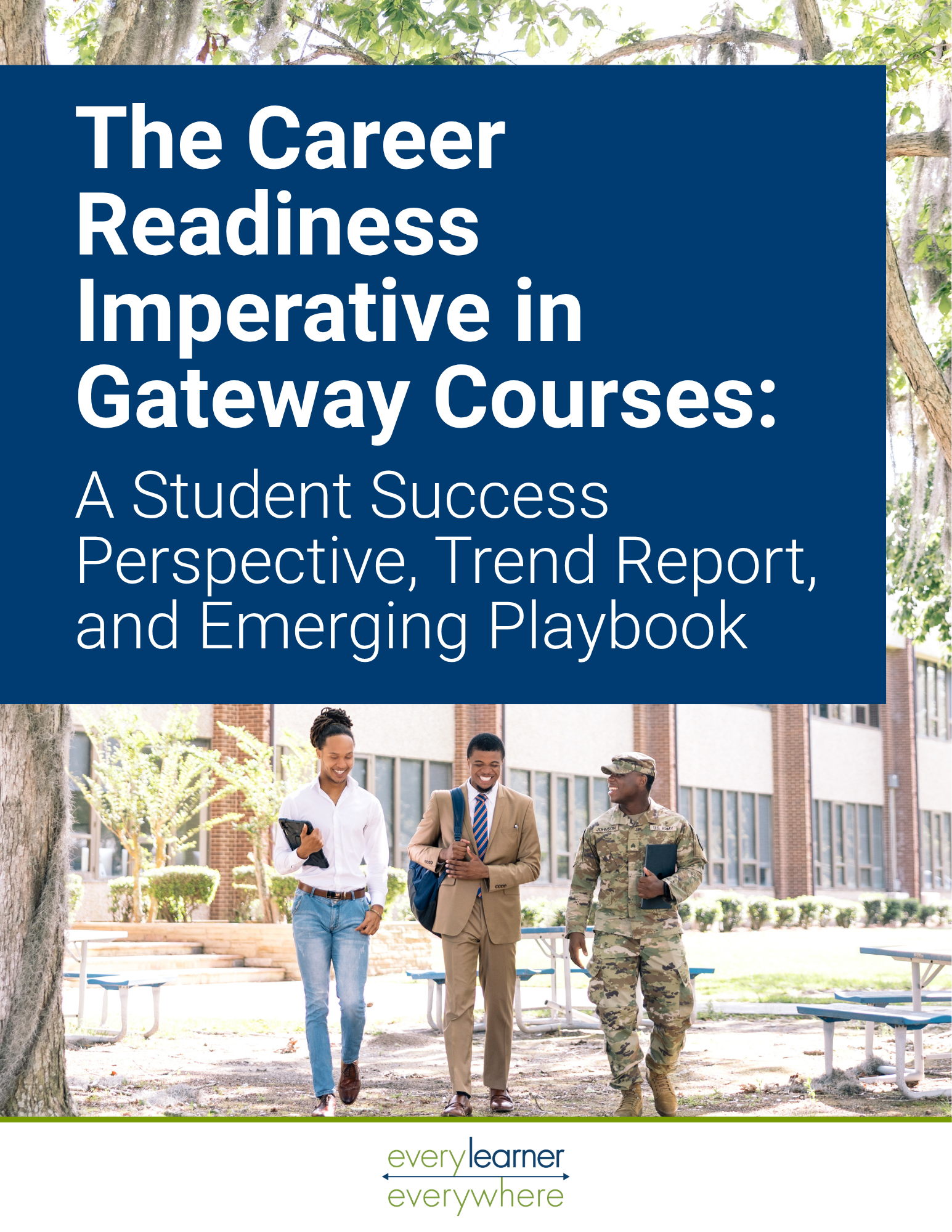
Three college students walk on a campus path in front of a brick building, one in casual attire with a tablet, another in a suit with a backpack, and the third in military uniform carrying a folder. Image depicts the career readiness imperative.

April 2026

This resource examines the growing trend of U.S. colleges and universities integrating career readiness into academic courses, with particular attention to gateway and general education courses early in degree programs. It focuses on how students experience the relevance of what they learn in these early courses, and it provides strategies institutions can use to help students experience that relevance earlier, more explicitly, and more consistently.

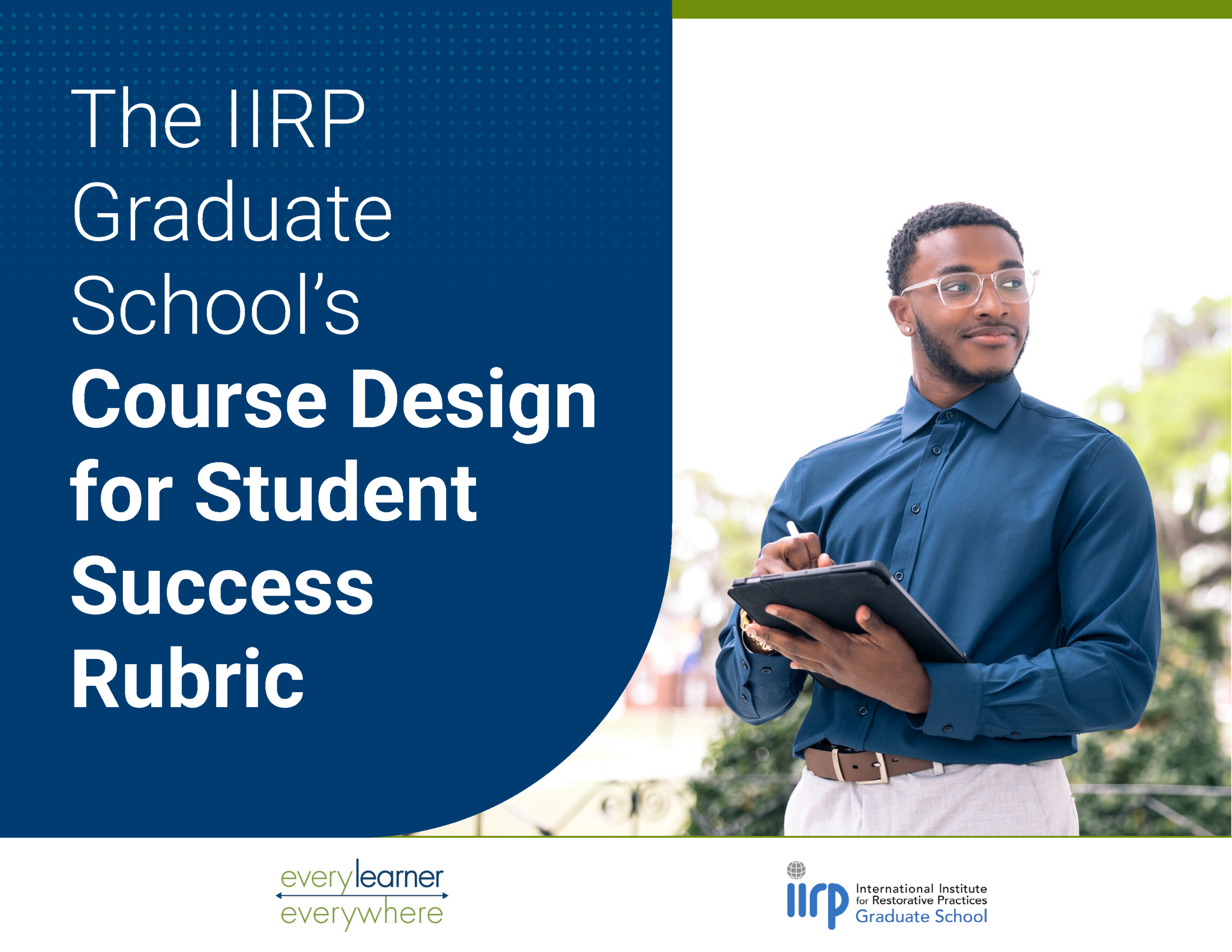
Resource Cover page from The IIRP Graduate School's Course Design for Student Success Rubric with title, photo of student holding tablet and org logos.

March 2026

The IIRP Graduate School’s Course Design for Student Success Rubric, is a robust rubric, designed to support student engagement, access, and success across varied learner populations and institutions, including undergraduate, graduate, 2-year, etc. We want to inspire faculty, instructional designers, and administrators along their path of continual improvement.

Pillar Resource
COVER page of Student Research Into How Students and Faculty Use AI- Insights for Teaching and Learning with title and photo and every learner everywhere logo.

January 2026

This report offers a student-centered examination of generative AI in higher education—not a guide or endorsement, but a record of genuine student inquiry into AI’s potential and limitations. Students are already using AI, regardless of institutional policies. This student research helps faculty understand not just what tools students are using, but how they’re thinking about AI’s role in their education.