While awaiting further developments with the Build Back Better legislation, higher education planners should not lose sight of the training and education components of the recently passed federal Infrastructure Investment and Jobs Act (IIJA) of 2021 and other recent workforce funding. The IIJA infuses $1.2 trillion ($550 billion in new investments) to improve roads and bridges, rail, transit, ports, airports, the electric grid, water systems, and broadband. While IIJA does not include many funds for higher education directly, the overall infrastructure wave presents opportunities for higher education that are outlined in this brief.
Download Opportunities for Higher Education and Digital Learning in Infrastructure Workforce TrainingRecommended citation:
Lane, P., Bransberger, P., and Davis, V. (2022, April 25) Opportunities for Higher Education and Digital Learning in Infrastructure Workforce Training. WCET and Every Learner Everywhere®. https://www.everylearnereverywhere.org/resources/opportunities-for-higher-education-and-digital-learning-in-infrastructure-workforce-training/
Other Related Resources
August 2026
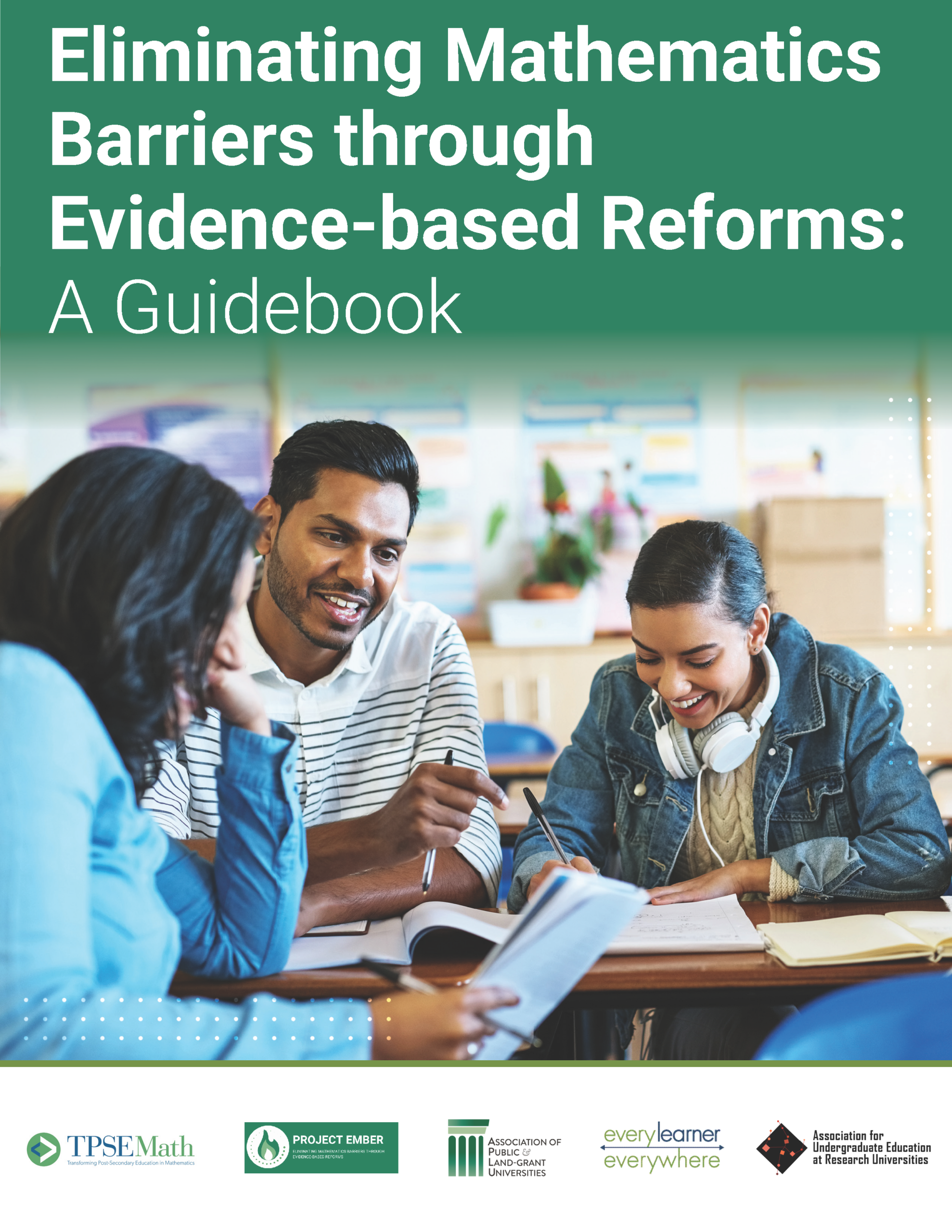
This guidebook gives your institution a clear, practical roadmap for transforming introductory mathematics, from first conversations to lasting, systemic change. This isn’t a theoretical framework. It’s a field-tested, action-oriented resource grounded in real research and real institutional experience, designed to help your team move from “we know something needs to change” to “here’s our plan, and here’s who’s doing what.”
May 2026
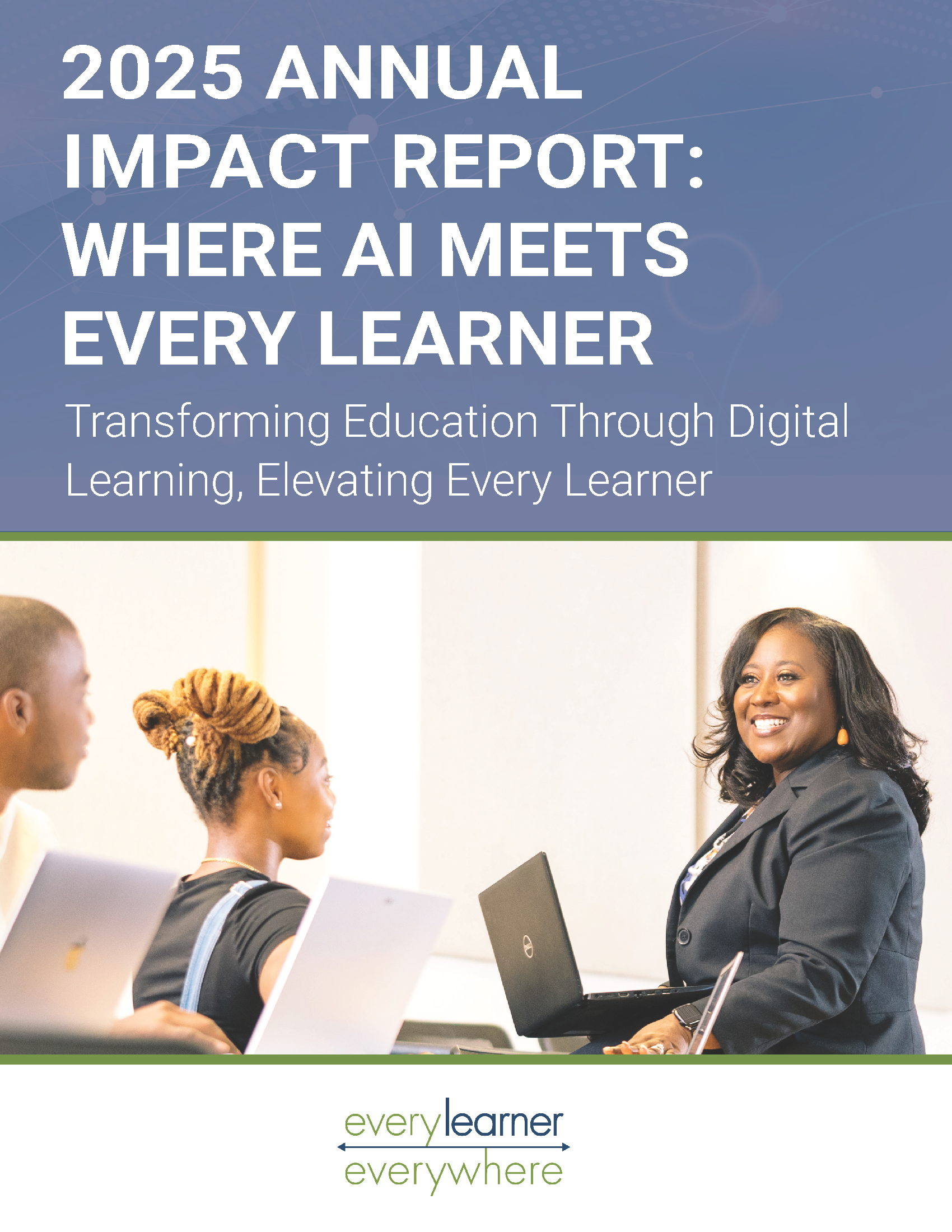
In 2025, Every Learner Everywhere helped hundreds of higher education institutions navigate a rapidly changing landscape, expanding access to evidence-based digital learning, deepening student success for every learner, and meeting the moment as AI reshapes what’s possible in the classroom.
April 2026
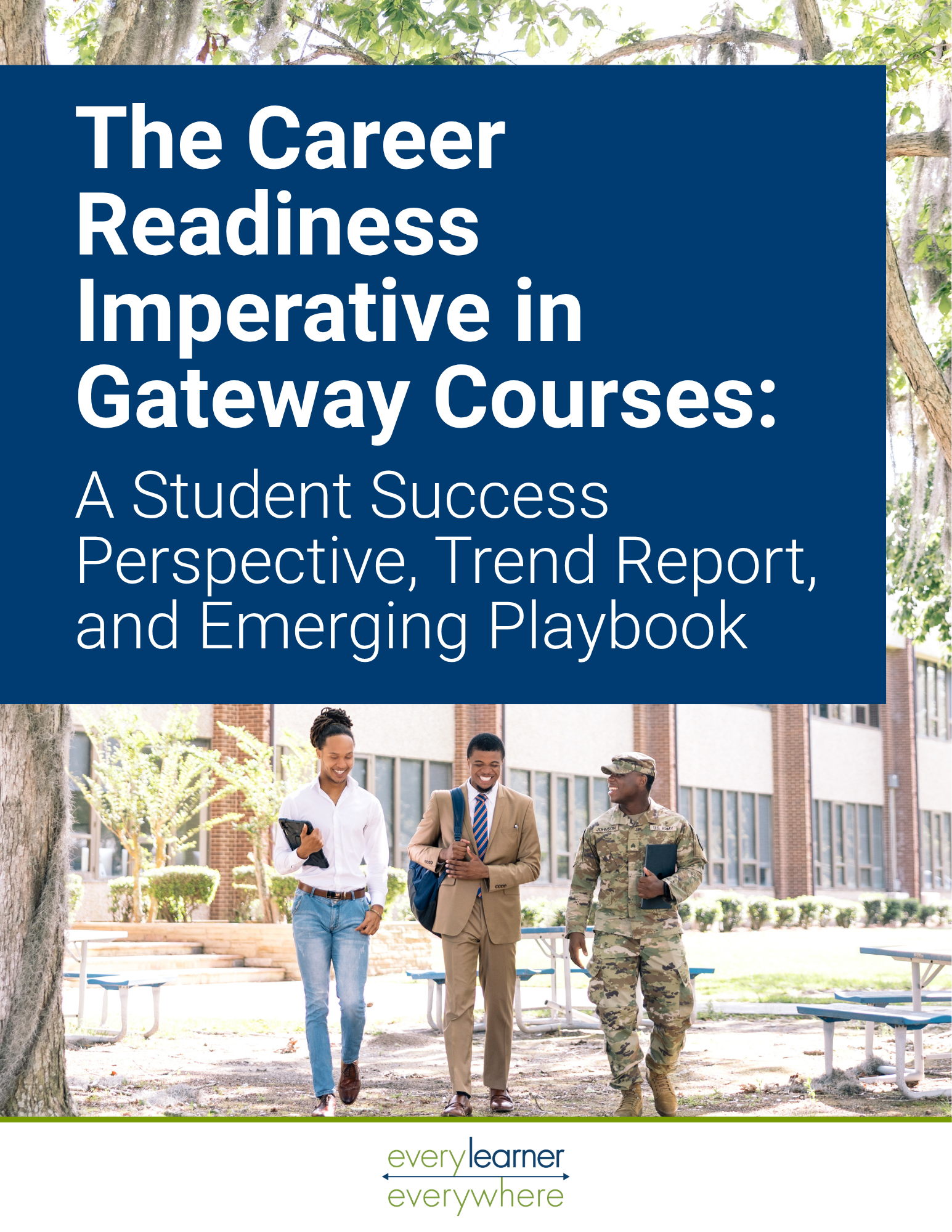
This resource examines the growing trend of U.S. colleges and universities integrating career readiness into academic courses, with particular attention to gateway and general education courses early in degree programs. It focuses on how students experience the relevance of what they learn in these early courses, and it provides strategies institutions can use to help students experience that relevance earlier, more explicitly, and more consistently.