


Every Learner Everywhere
Online Learning Consortium
WCET

Supporting Adjunct Faculty: Research-based Recommendations

This webinar highlights the findings of the aforementioned study and provides research-based recommendations aimed at several audiences—institutional leaders, support staff who work with adjunct faculty, and adjunct faculty members themselves. Attendees will leave the webinar with specific, actionable strategies that promote the success of these key members of our campus communities.

Presenters: Van Davis, Chief Strategy Officer at WCET and Service Design and Strategy Officer at Every Learner Everywhere®; Nicole Weber, Associate Vice President of Learning at the Online Learning Consortium; and Abby McGuire, Director of Research, Online Learning Consortium

View recording without audio description View recording with audio description View Transcript

Recommended citation:

Weber, N., McGuire, A., and Davis, V. (2022, February 1) Supporting Adjunct Faculty: Research-based Recommendations. [Webinar] Every Learner Everywhere®, WCET, and the Online Learning Consortium.


Other Related Resources

Pillar Resource

November 2026

This new playbook gives faculty practical strategies for supporting student agency, so students can build the judgment to make informed choices about AI in their own learning. Whether your course welcomes AI, limits it, or does some of each, the playbook shows how clear, intentional choices can lower student anxiety, build trust, and support real learning.

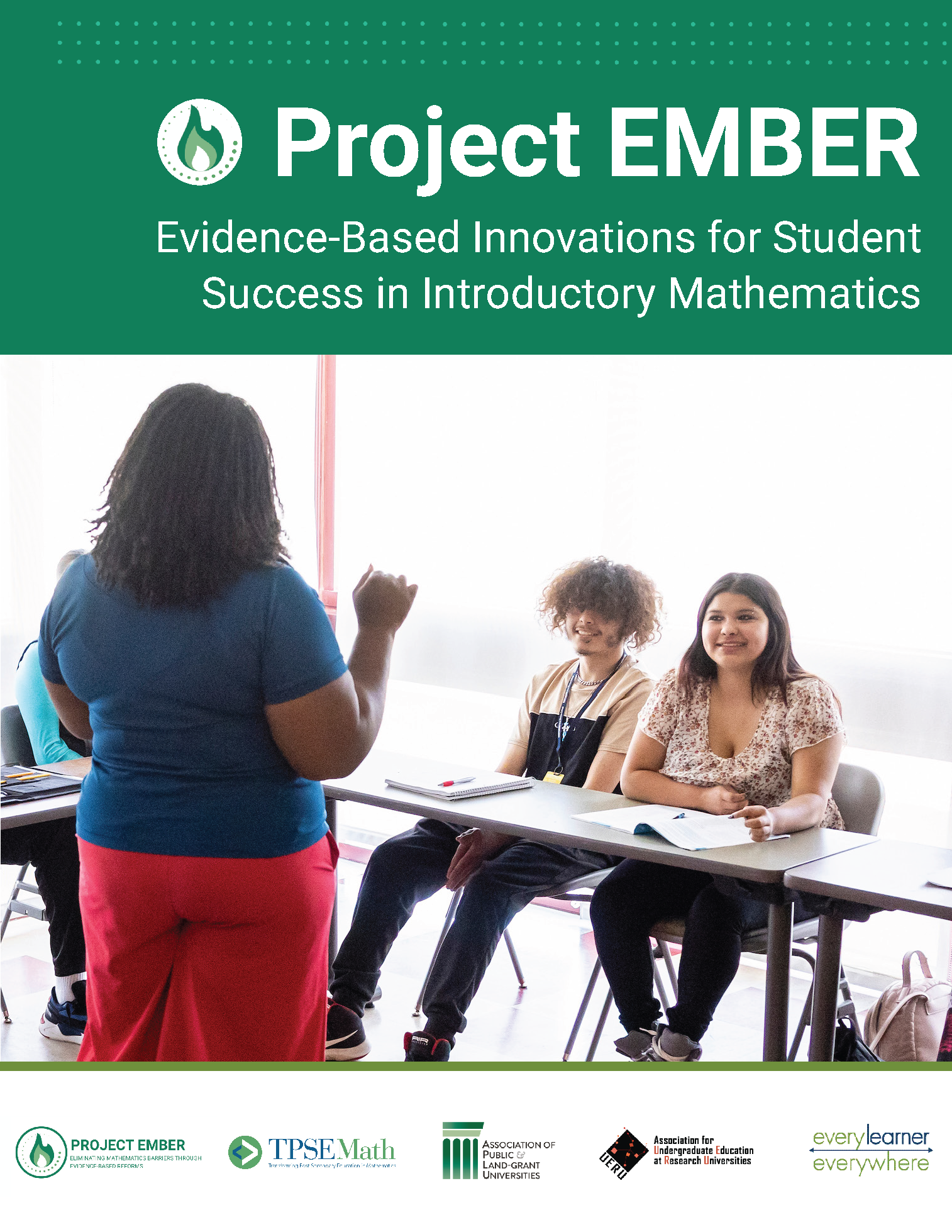
COVER Evidence-Based Innovations for Student Success in Introductory Mathematics with title, photo of faculty standing in front of students learning in class.

September 2026

Evidence-Based Innovations for Student Success in Introductory Mathematics is designed to help teaching-focused faculty, course coordinators, and department and institutional leaders answer a practical question: which reforms should we try? This resource covers eight evidence-based innovations: active pedagogy, course coordination, math pathways, corequisite supports, tech-enabled instruction, alternative grading, using data in decision-making, and identity and belonging.

Pillar Resource

August 2026

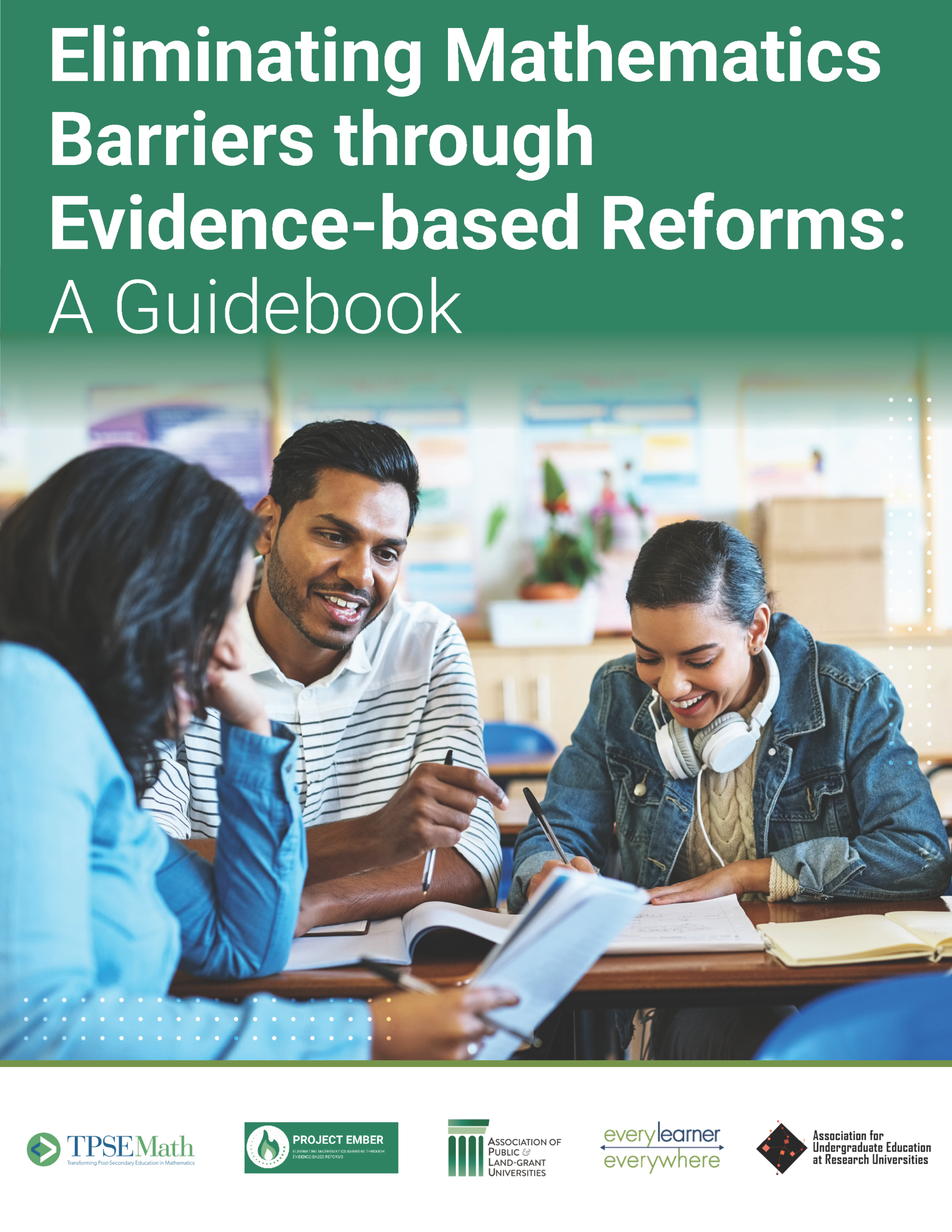
This guidebook gives your institution a clear, practical roadmap for transforming introductory mathematics, from first conversations to lasting, systemic change. This isn’t a theoretical framework. It’s a field-tested, action-oriented resource grounded in real research and real institutional experience, designed to help your team move from “we know something needs to change” to “here’s our plan, and here’s who’s doing what.”