 See All Archived Resources


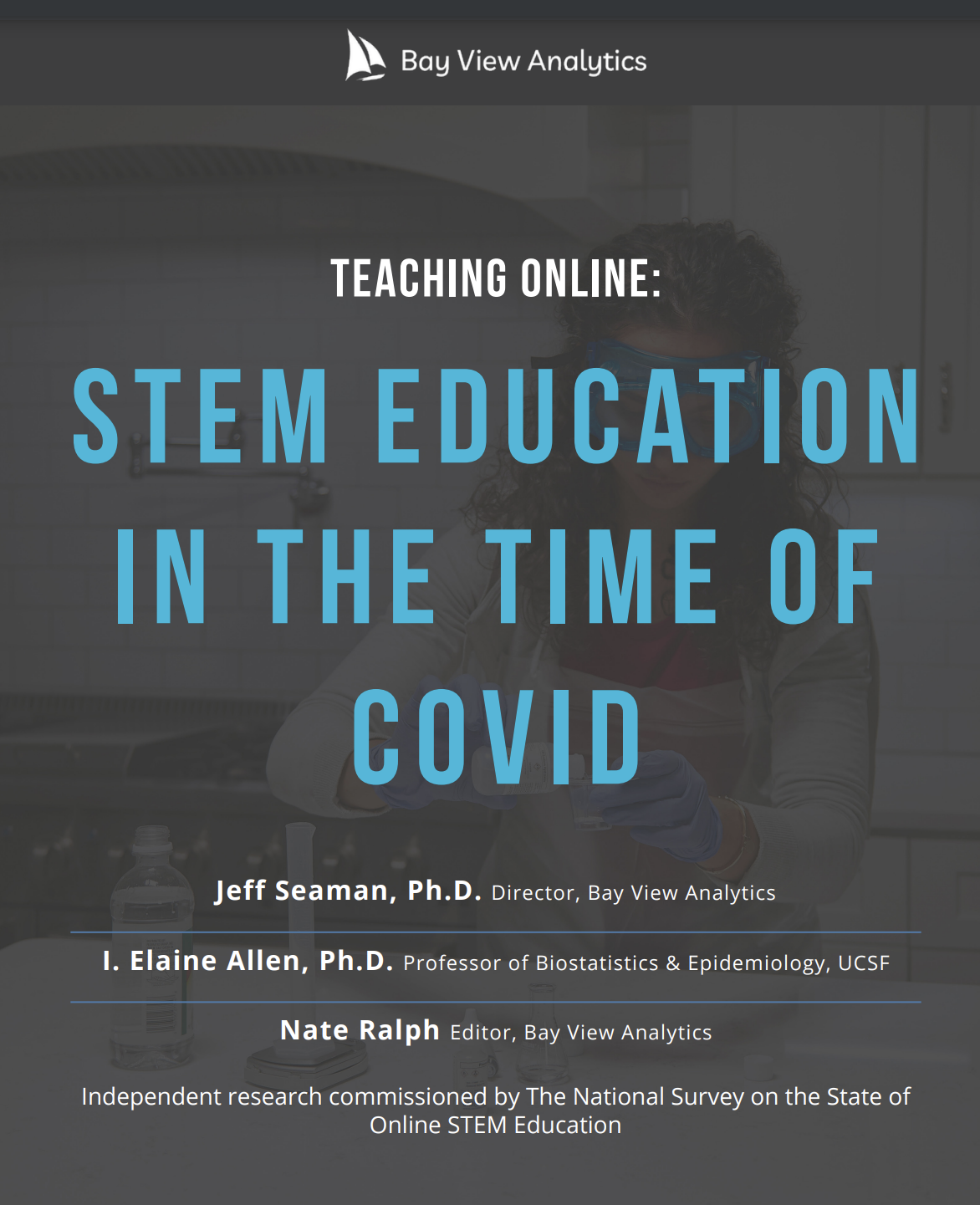
 The COVID-19 pandemic sparked a disruptive shift from face-to-face instruction to distance-learning, impacting academia in the U.S. across undergraduate and graduate levels. This study, conducted in the fall of 2020, explores the impact these changes have had on higher education faculty in STEM fields. This survey, Teaching Online: STEM Education in the Time of COVID, provides insights into the experiences of STEM faculty who underwent a hurried transition into remote education, and how that experience informed their opinions of online education’s effectiveness. As with all research, the survey raises additional questions, suggesting additional research and future work.
This resource has been archived and may not be fully accessible to WCAG 2.1 standards. If you need an accessible version of this document, please fill out our Every Learner Accessibility Request Form.