Every Learner Everywhere

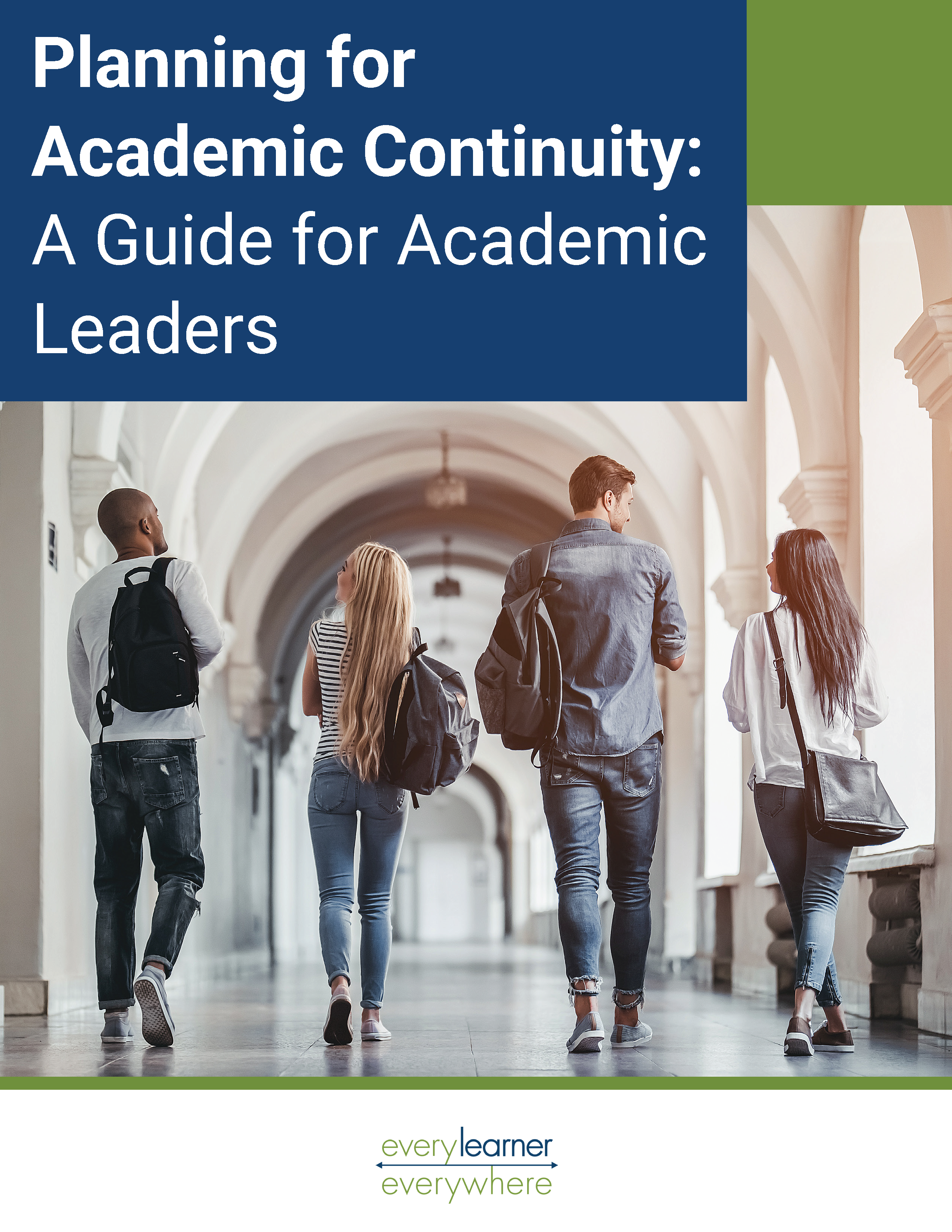
Planning for Academic Continuity

A Guide for Academic Leaders

Established academic continuity plans allow colleges and universities to use their resources to manage disruptions, rather than using them to develop new plans and policies for each disruption  event. While mobile communication and digital learning tools are widely used today on U.S. campuses, these tools have limited use in times of academic disruption without a plan on how to use them to maintain or resume academic operations. Having digital learning tools available to faculty is not useful if those individuals don’t know how to use them, and digital learning tools do not serve students who cannot afford to access them. Academic continuity planning is an essential component of the business continuity plans of colleges and universities, and yet hundreds of schools were not prepared for the months-long academic disruption caused by lockdowns in the wake of the COVID-19 pandemic.

This guide presents results from an analysis of 100 academic continuity plans at U.S. colleges and universities. The results form the basis for recommended academic continuity plan best practices, tools, and templates academic leaders can use to maintain a plan that can be used in both short-term and long-term circumstances. We believe that digital learning tools and platforms provide a solution for moving learning environments online in times of academic disruption. But they also play a bigger role in academic continuity planning. Much like required fire drills to prepare a campus community for a fire emergency, higher education needs to maintain a readiness to face disruptions to academic continuity.

Key Strategies

  1. Lead with equity, and embed it in every part of academic continuity planning.
  2. Plan for a variety of academic disruption scenarios.
  3. Assess student needs based on the nature and impact of the crisis or disruption.
  4. Include the basics of teaching using the most used digital technologies at your institution.
  5. Maintain institutional readiness for academic disruption.
Download Planning for Academic Continuity

Recommended Citation

O’Sullivan, P., McGuire, R., Egemonu, C., Frausto, E., & Sullivan, E. (2023). Planning for Academic Continuity: A Guide for Academic Leaders. Every Learner Everywhere®. https://www.everylearnereverywhere.org/resources/planning-for-academic-continuity/

Other Related Resources

Pillar Resource
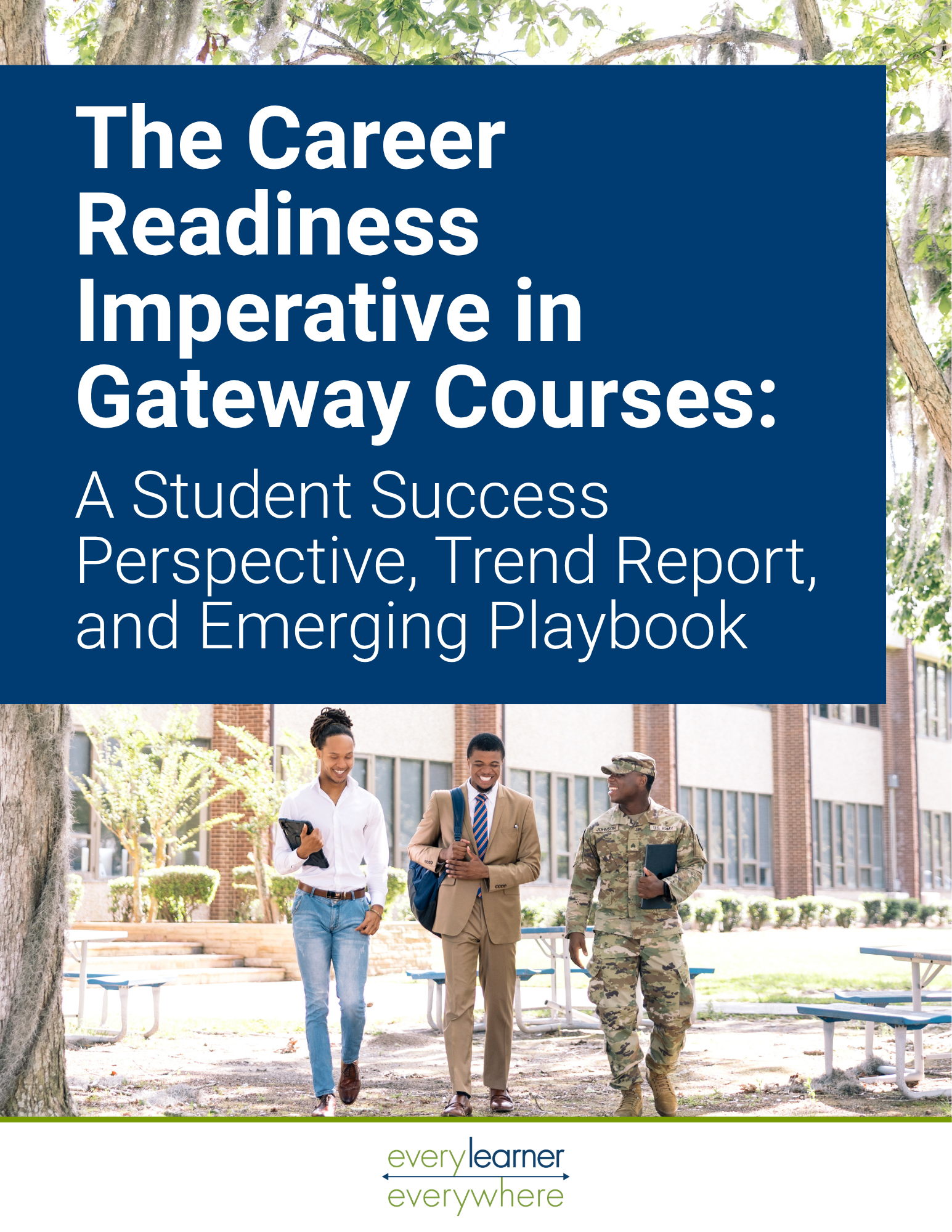
Three college students walk on a campus path in front of a brick building, one in casual attire with a tablet, another in a suit with a backpack, and the third in military uniform carrying a folder. Image depicts the career readiness imperative.

April 2026

This resource examines the growing trend of U.S. colleges and universities integrating career readiness into academic courses, with particular attention to gateway and general education courses early in degree programs. It focuses on how students experience the relevance of what they learn in these early courses, and it provides strategies institutions can use to help students experience that relevance earlier, more explicitly, and more consistently.

Resource Cover page from The IIRP Graduate School's Course Design for Student Success Rubric with title, photo of student holding tablet and org logos.

March 2026

The IIRP Graduate School’s Course Design for Student Success Rubric, is a robust rubric, designed to support student engagement, access, and success across varied learner populations and institutions, including undergraduate, graduate, 2-year, etc. We want to inspire faculty, instructional designers, and administrators along their path of continual improvement.

Pillar Resource
COVER page of Student Research Into How Students and Faculty Use AI- Insights for Teaching and Learning with title and photo and every learner everywhere logo.

January 2026

This report offers a student-centered examination of generative AI in higher education—not a guide or endorsement, but a record of genuine student inquiry into AI’s potential and limitations. Students are already using AI, regardless of institutional policies. This student research helps faculty understand not just what tools students are using, but how they’re thinking about AI’s role in their education.