Every Learner Everywhere
Online Learning Consortium
Part of
Archived Resources
Archived Resource

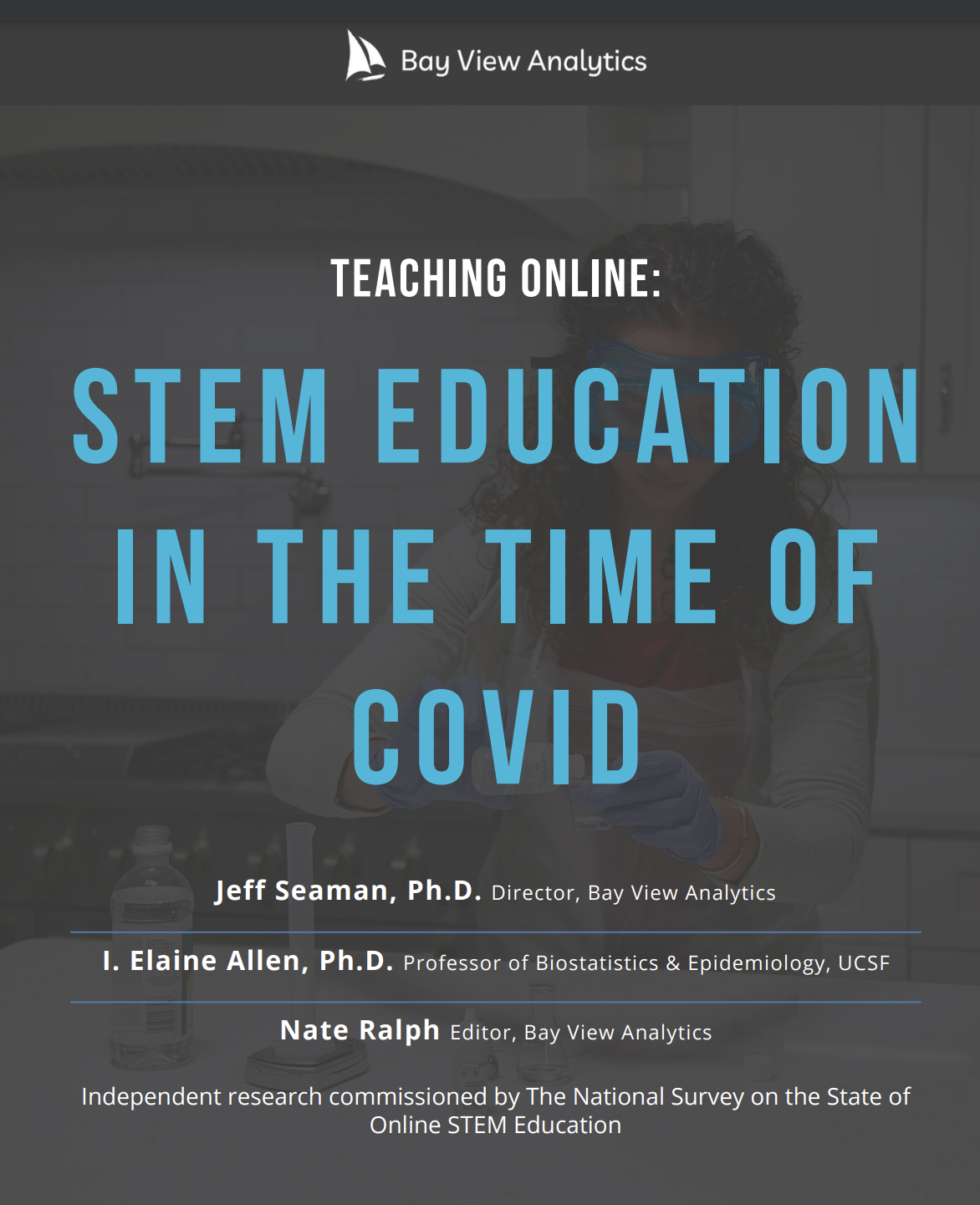
Teaching Online: STEM Education in the Time of COVID

DecorativeThe COVID-19 pandemic sparked a disruptive shift from face-to-face instruction to distance-learning, impacting academia in the U.S. across undergraduate and graduate levels. This study, conducted in the fall of 2020, explores the impact these changes have had on higher education faculty in STEM fields. This survey, Teaching Online: STEM Education in the Time of COVID, provides insights into the experiences of STEM faculty who underwent a hurried transition into remote education, and how that experience informed their opinions of online education’s effectiveness. As with all research, the survey raises additional questions, suggesting additional research and future work.

Download Study

This resource has been archived and may not be fully accessible to WCAG 2.1 standards. If you need an accessible version of this document, please fill out our Every Learner Accessibility Request Form.

Recommended citation:

Seaman, J., Allen, E., and Ralph, N. (2021, March 8) Teaching Online: STEM Education in the Time of COVID. Bay View Analytics and The National Survey on the State of Online STEM Education.


Other Related Resources

Pillar Resource

November 2026

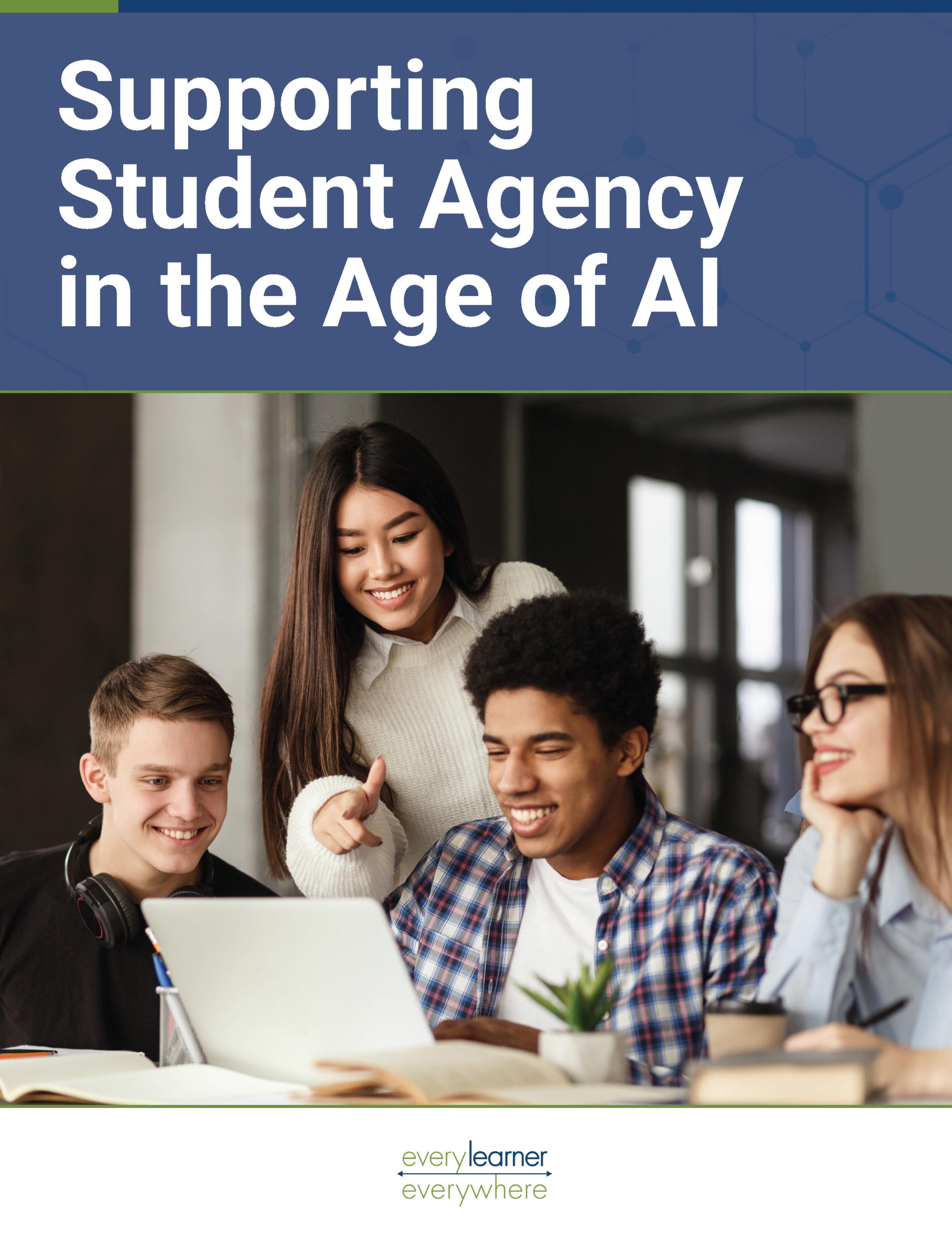
This new playbook gives faculty practical strategies for supporting student agency, so students can build the judgment to make informed choices about AI in their own learning. Whether your course welcomes AI, limits it, or does some of each, the playbook shows how clear, intentional choices can lower student anxiety, build trust, and support real learning.

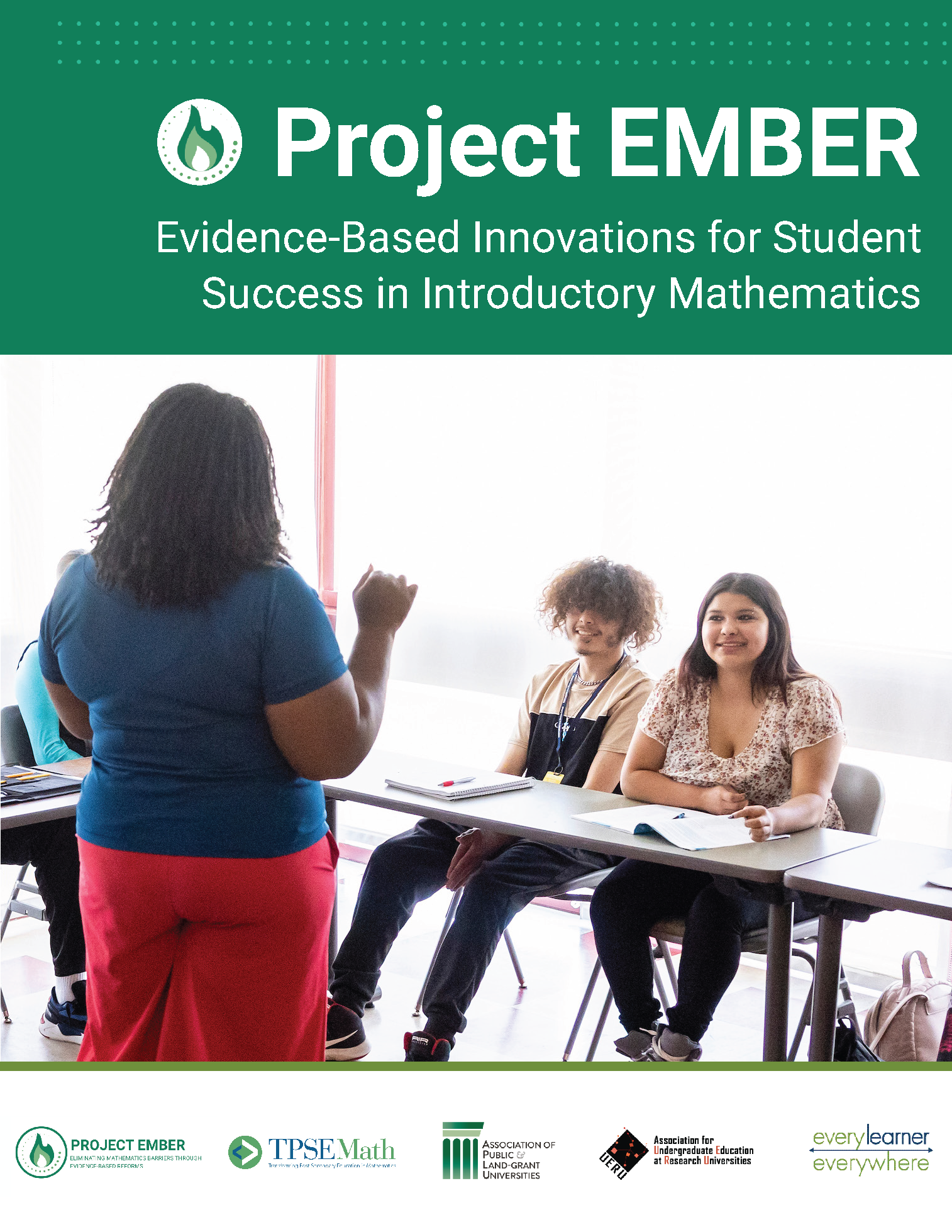
COVER Evidence-Based Innovations for Student Success in Introductory Mathematics with title, photo of faculty standing in front of students learning in class.

September 2026

Evidence-Based Innovations for Student Success in Introductory Mathematics is designed to help teaching-focused faculty, course coordinators, and department and institutional leaders answer a practical question: which reforms should we try? This resource covers eight evidence-based innovations: active pedagogy, course coordination, math pathways, corequisite supports, tech-enabled instruction, alternative grading, using data in decision-making, and identity and belonging.

Pillar Resource

August 2026

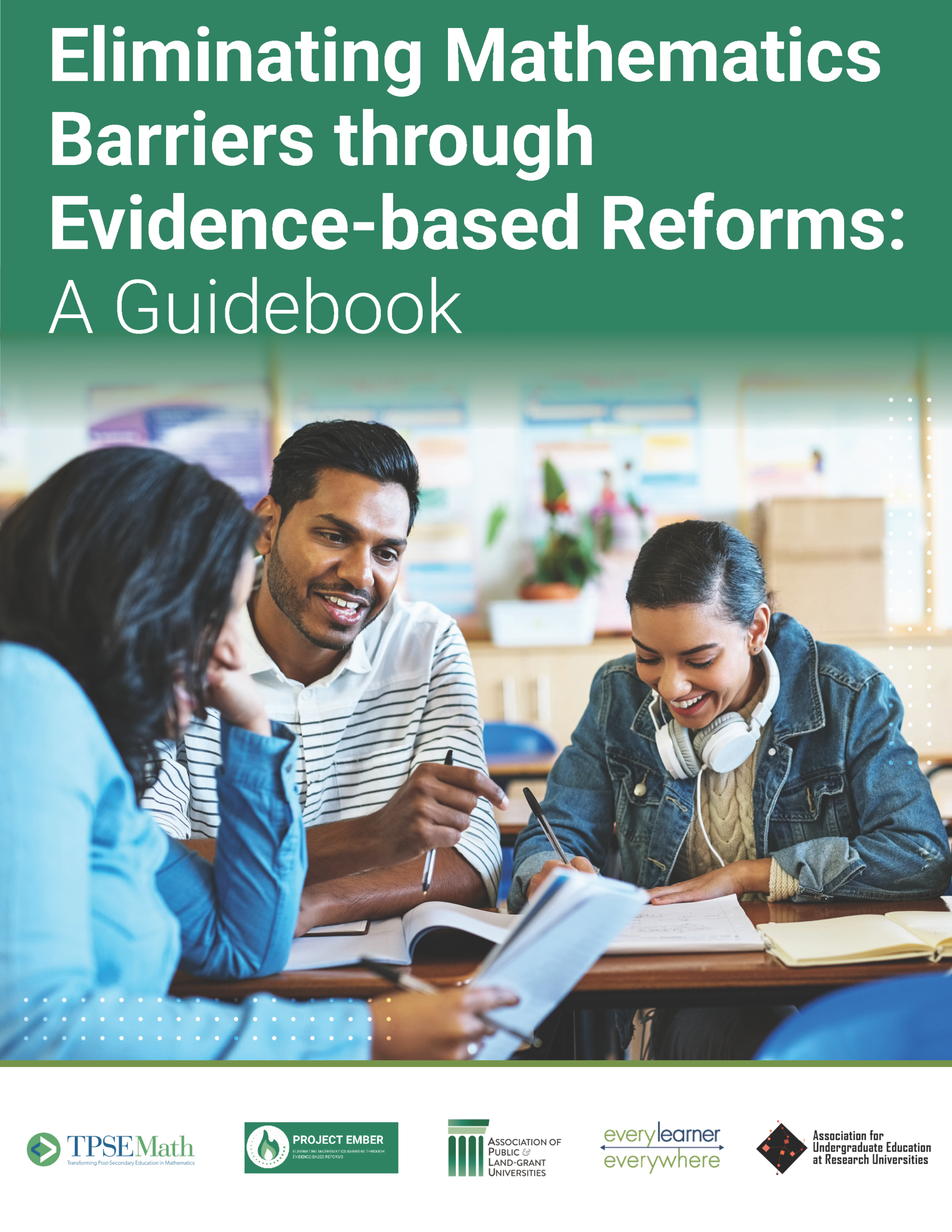
This guidebook gives your institution a clear, practical roadmap for transforming introductory mathematics, from first conversations to lasting, systemic change. This isn’t a theoretical framework. It’s a field-tested, action-oriented resource grounded in real research and real institutional experience, designed to help your team move from “we know something needs to change” to “here’s our plan, and here’s who’s doing what.”