Every Learner Everywhere

A Profile of Historically Black Colleges and Universities

Black students are thriving at Historically Black Colleges and Universities (HBCUs). Compared to their peers attending predominantly white institutions (PWIs) and predominantly Black institutions (PBIs), they are graduating at higher rates, they report greater satisfaction with their educational experience, they have greater opportunities to develop professional networks and gain professional skills while still in college, and they are more economically mobile after graduation.

HBCU students have far fewer institutional and family resources to help them address the cost of college and navigate the culture of college. Despite these financial challenges, HBCUs have a strong track record of guiding students through the postsecondary process to ensure their academic and professional success. In 2021, although they represented just 3 percent of higher education institutions in the country, HBCUs granted undergraduate degrees to 13 percent of all Black students in college. A remarkable 25 percent of those graduates have STEM degrees.

This profile examines the student experience at Historically Black Colleges and Universities. Historians, educational researchers, and journalists have noted differences between the Black student experiences at HBCUs and other types of higher education institutions. These differentiations center on services of care and support for the whole person; a culture and environment that recognizes, centers, and celebrates the many ways people experience Blackness; and building community and pride between students, faculty, staff, and alumni.

Download the HBCU Profile

Recommended Citation:

Fleming, A., and O’Sullivan, P. (2025). A Profile of Historically Black Colleges and Universities. Every Learner Everywhere®. https://www.everylearnereverywhere.org/resources/a-profile-of-historically-black-colleges-and-universities/

Cover page from A Profile of Tribal Colleges and Universities with title and photo of female tribal student on laptop.

January 2025

This profile examines the culture at TCUs. Tribal leaders, historians, educational researchers, and journalists have noted the unique role of these institutions that center on preservation and revitalization of tribal bonds as well as preservation and revitalization of the knowledge and culture of the first nations.

Cover page from A Profile of Hispanic-Serving Institutions with title and image of three Hispanic students walking on campus smiling.

January 2025

This profile examines the culture at Hispanic Serving Institutions as well as opportunities and challenges around digital learning at HSIs. Our research uncovered that students at HSIs valued experiences that celebrate Hispanic and Latino culturas (cultures), nurture bonds among and service to the Hispanic comunidad (community), and demonstrated the institution’s intención (intention) to serve Latino students.

Cover page from A Profile of Historically Black Colleges and Universities with title and image of three black females walking on campus smiling.

January 2025

This profile examines the student experience at Historically Black Colleges and Universities. Historians, educational researchers, and journalists have noted differences between the Black student experiences at HBCUs and other types of higher education institutions.

Other Related Resources

Pillar Resource
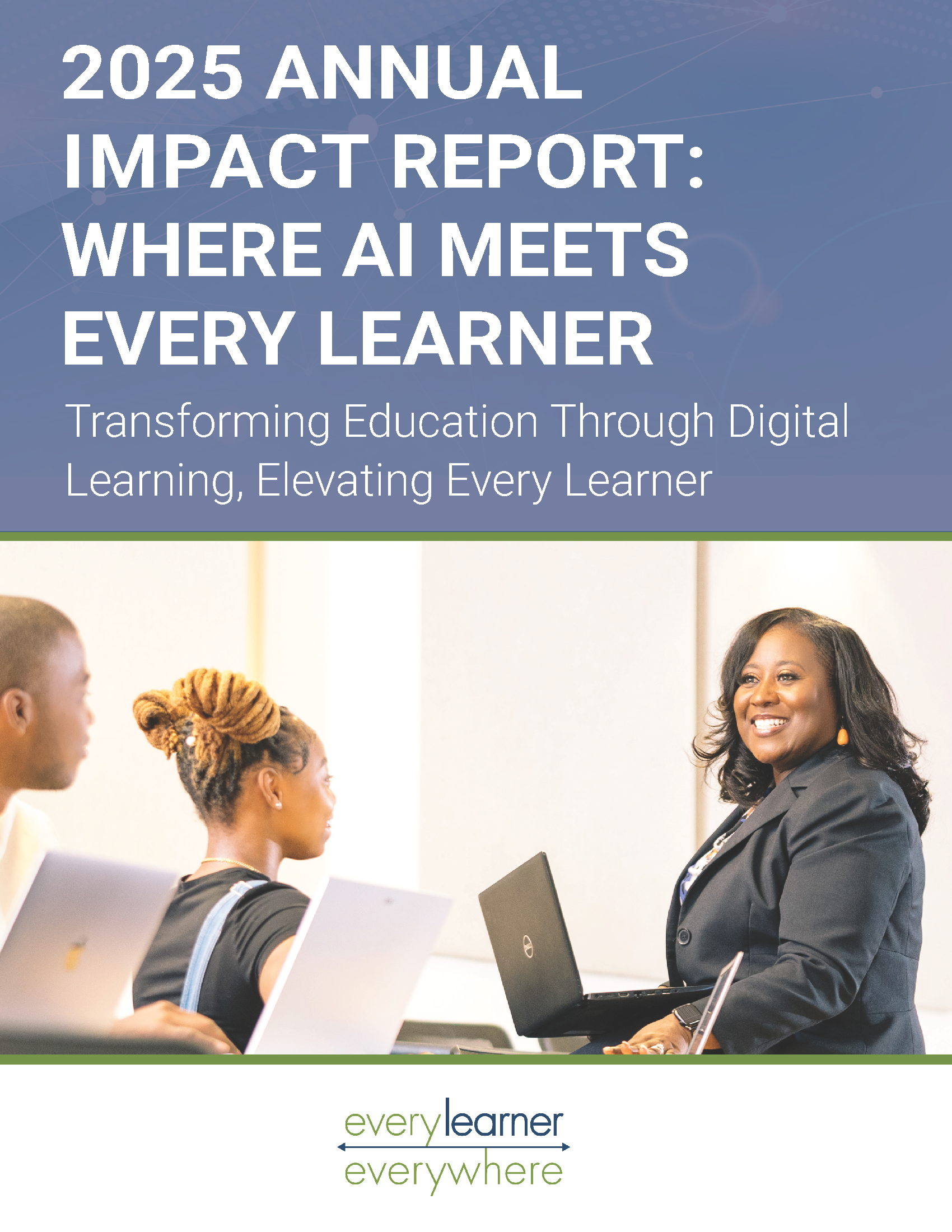
Cover page of the 2025 annual impact report: Where AI Meets Every Learner. With a photo of a female professor holding a laptop smiling with two students seated in front.

May 2026

In 2025, Every Learner Everywhere helped hundreds of higher education institutions navigate a rapidly changing landscape, expanding access to evidence-based digital learning, deepening student success for every learner, and meeting the moment as AI reshapes what’s possible in the classroom.

Pillar Resource
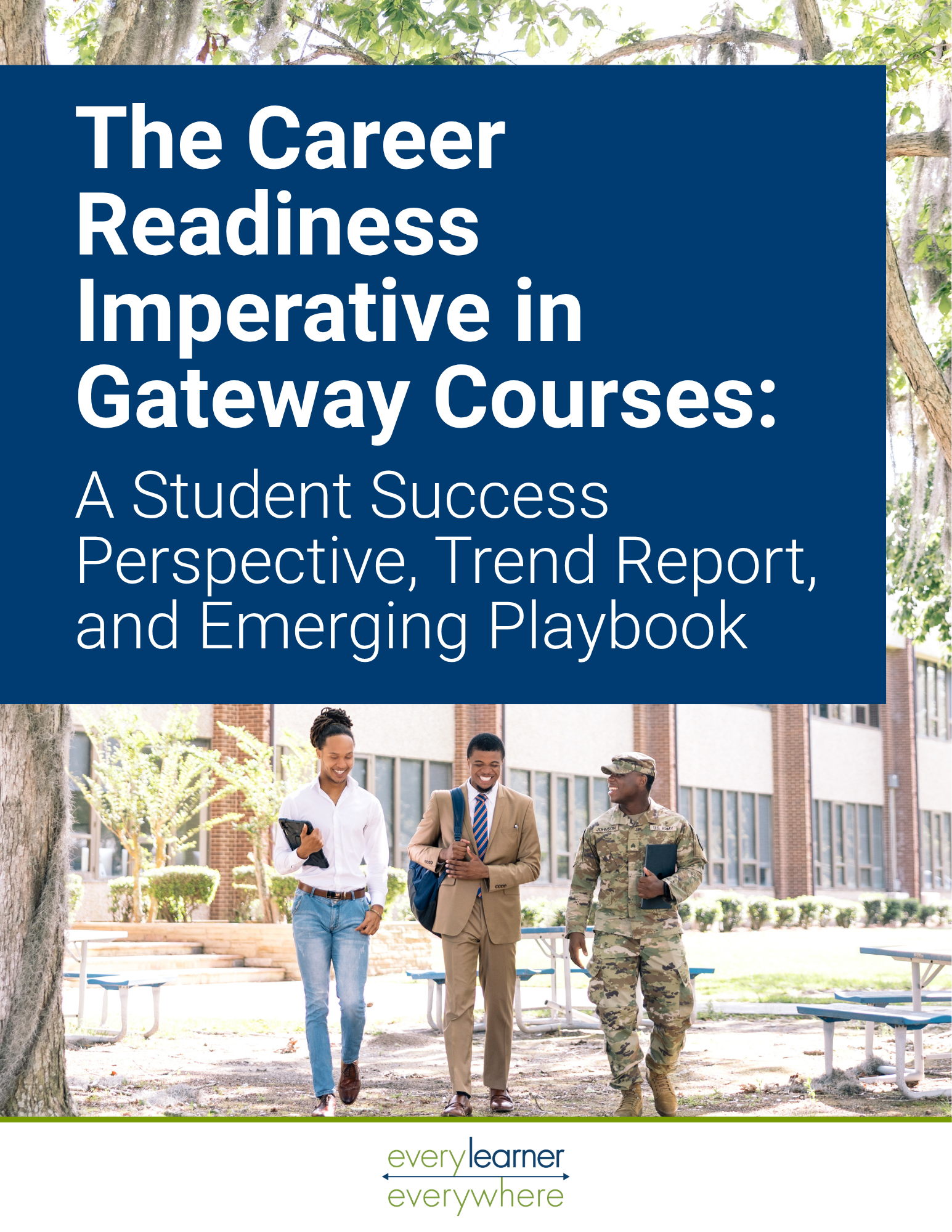
Three college students walk on a campus path in front of a brick building, one in casual attire with a tablet, another in a suit with a backpack, and the third in military uniform carrying a folder. Image depicts the career readiness imperative.

April 2026

This resource examines the growing trend of U.S. colleges and universities integrating career readiness into academic courses, with particular attention to gateway and general education courses early in degree programs. It focuses on how students experience the relevance of what they learn in these early courses, and it provides strategies institutions can use to help students experience that relevance earlier, more explicitly, and more consistently.

Resource Cover page from The IIRP Graduate School's Course Design for Student Success Rubric with title, photo of student holding tablet and org logos.

March 2026

The IIRP Graduate School’s Course Design for Student Success Rubric, is a robust rubric, designed to support student engagement, access, and success across varied learner populations and institutions, including undergraduate, graduate, 2-year, etc. We want to inspire faculty, instructional designers, and administrators along their path of continual improvement.