Every Learner Everywhere
Intentional Futures
Part of
Archived Resources
Archived Resource

Lab-Based Courses

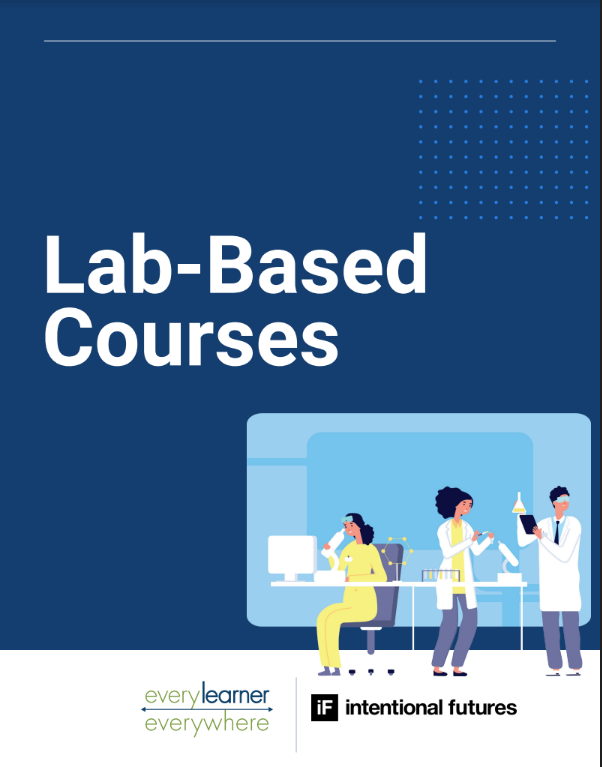
DecorativeThere are many different ways to translate experimental activities to a digital learning environment. In this resource, we’ve given an overview of a variety of options for lab-based courses including from citizen science projects, at-home lab kits, “kitchen labs,” and online simulations. The ones highlighted here were selected for their affordability and coverage of a wide range of disciplines, and in the hopes of offering a wide range of options for instructors to choose from based on their particular learning outcomes and subject matter.

Download Toolkit

This resource has been archived and may not be fully accessible to WCAG 2.1 standards. If you need an accessible version of this document, please fill out our Every Learner Accessibility Request Form.

Recommended citation:

Barclay, G. (2020, May 8) Lab-Based Courses: Toolkit Overview. Every Learner Everywhere®.


Other Related Resources

Pillar Resource

November 2026

This new playbook gives faculty practical strategies for supporting student agency, so students can build the judgment to make informed choices about AI in their own learning. Whether your course welcomes AI, limits it, or does some of each, the playbook shows how clear, intentional choices can lower student anxiety, build trust, and support real learning.

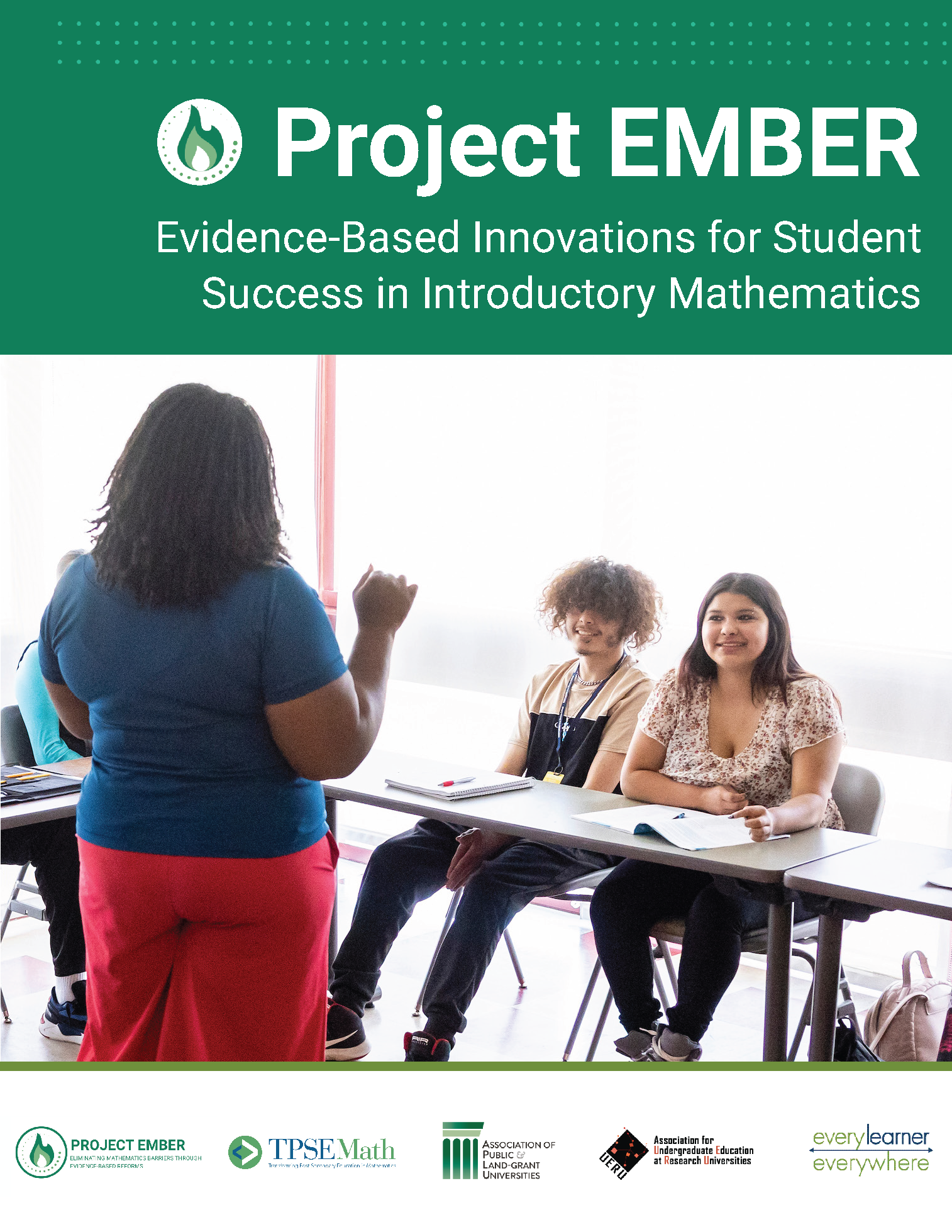
COVER Evidence-Based Innovations for Student Success in Introductory Mathematics with title, photo of faculty standing in front of students learning in class.

September 2026

Evidence-Based Innovations for Student Success in Introductory Mathematics is designed to help teaching-focused faculty, course coordinators, and department and institutional leaders answer a practical question: which reforms should we try? This resource covers eight evidence-based innovations: active pedagogy, course coordination, math pathways, corequisite supports, tech-enabled instruction, alternative grading, using data in decision-making, and identity and belonging.

Pillar Resource

August 2026

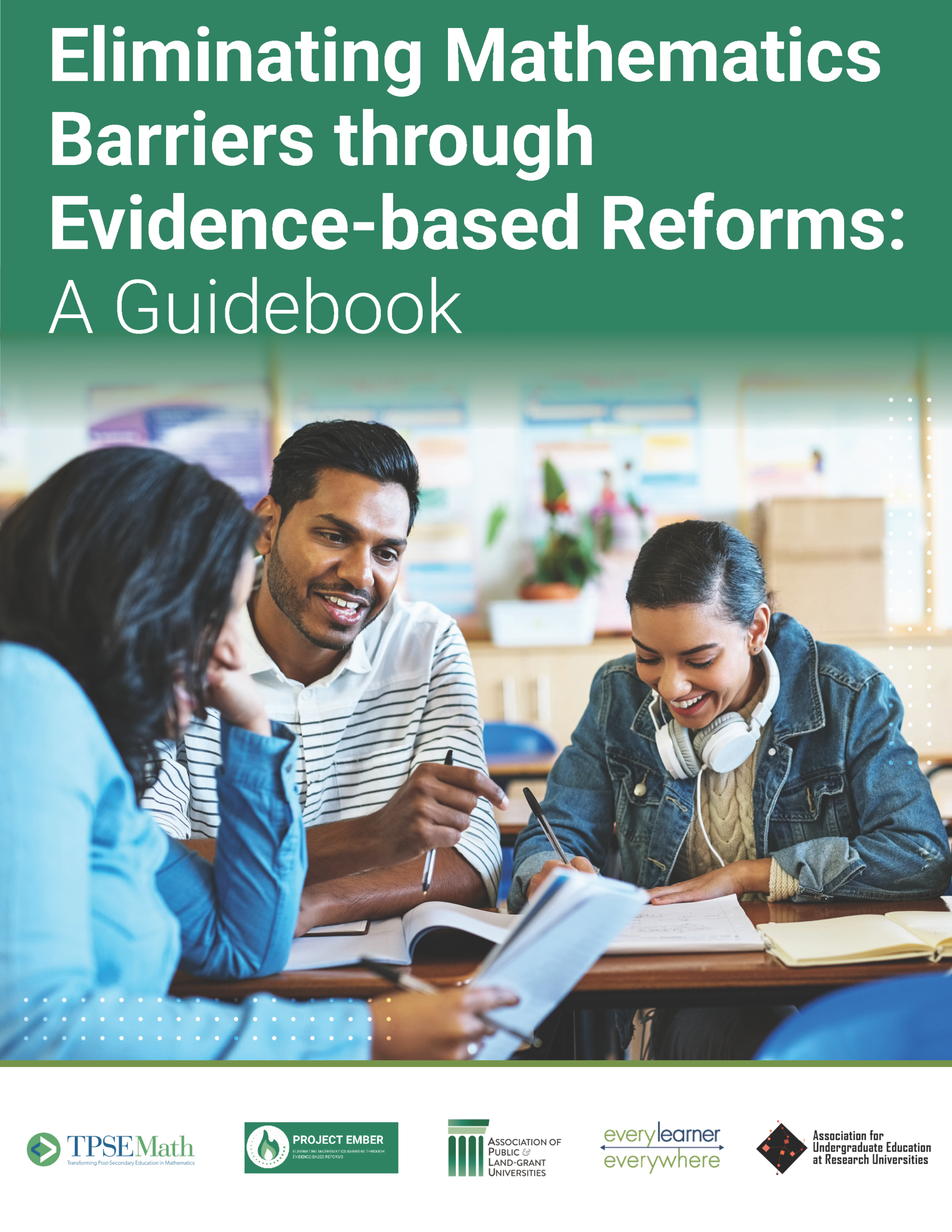
This guidebook gives your institution a clear, practical roadmap for transforming introductory mathematics, from first conversations to lasting, systemic change. This isn’t a theoretical framework. It’s a field-tested, action-oriented resource grounded in real research and real institutional experience, designed to help your team move from “we know something needs to change” to “here’s our plan, and here’s who’s doing what.”