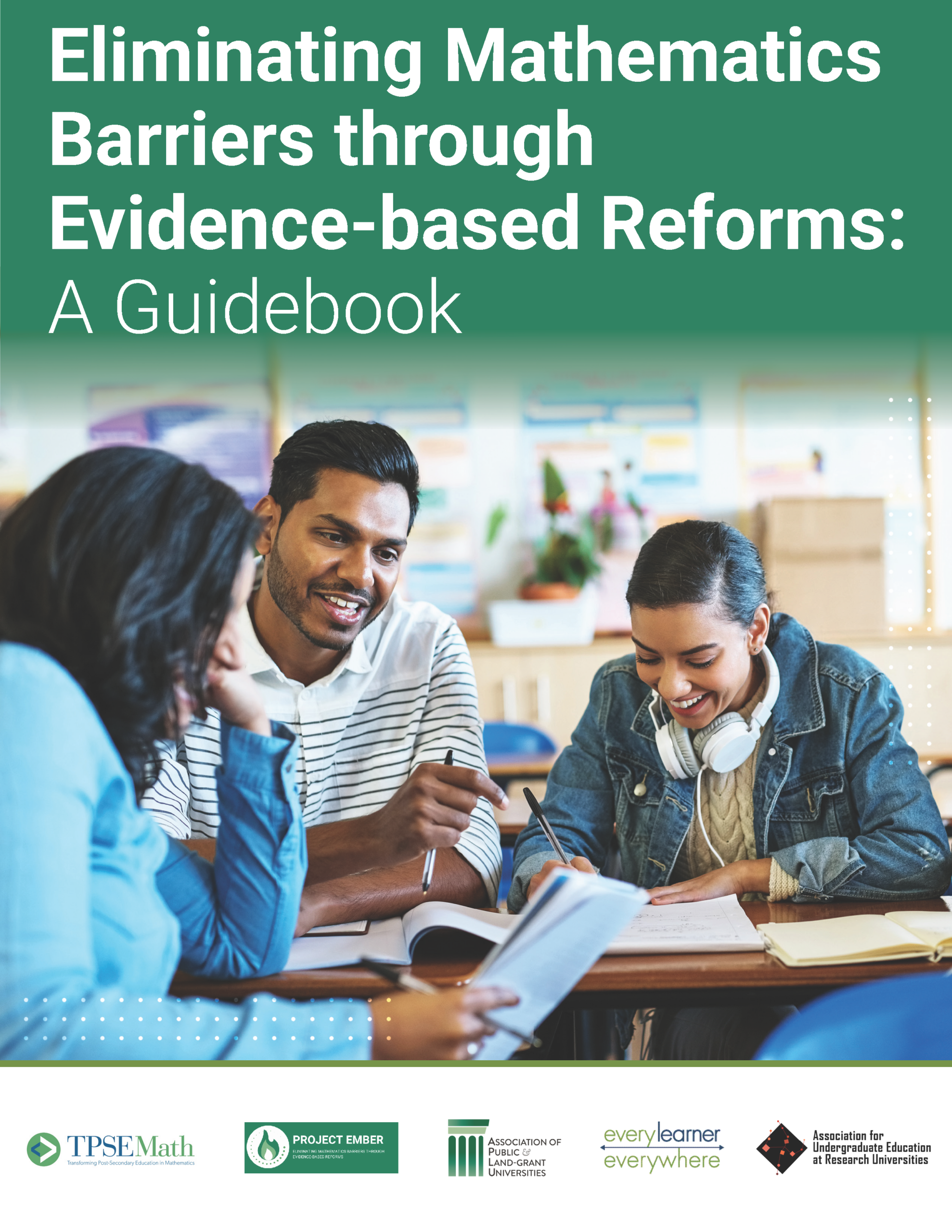
This guidebook gives your institution a clear, practical roadmap for transforming introductory mathematics, from first conversations to lasting, systemic change. This isn’t a theoretical framework. It’s a field-tested, action-oriented resource grounded in real research and real institutional experience, designed to help your team move from “we know something needs to change” to “here’s our plan, and here’s who’s doing what.”
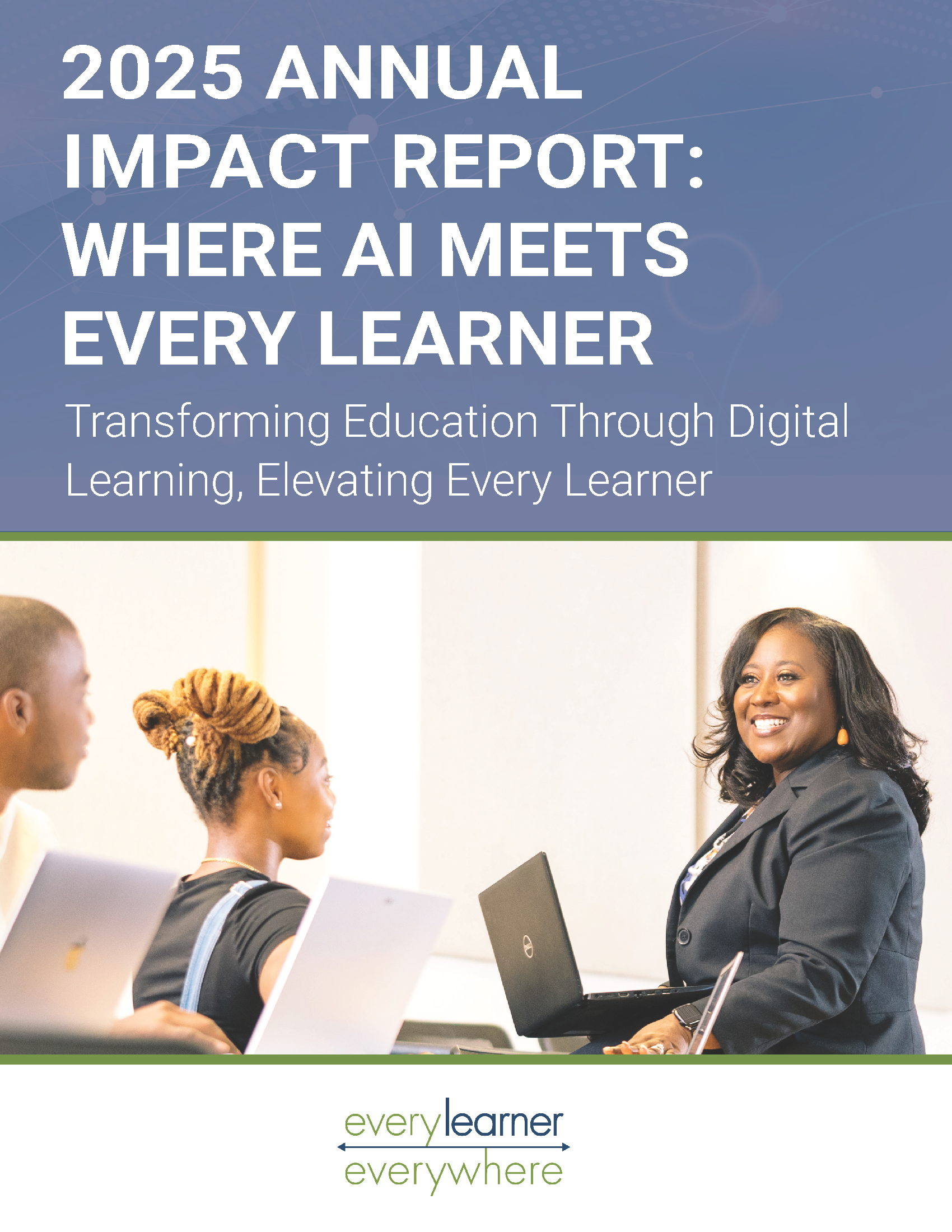
In 2025, Every Learner Everywhere helped hundreds of higher education institutions navigate a rapidly changing landscape, expanding access to evidence-based digital learning, deepening student success for every learner, and meeting the moment as AI reshapes what’s possible in the classroom.
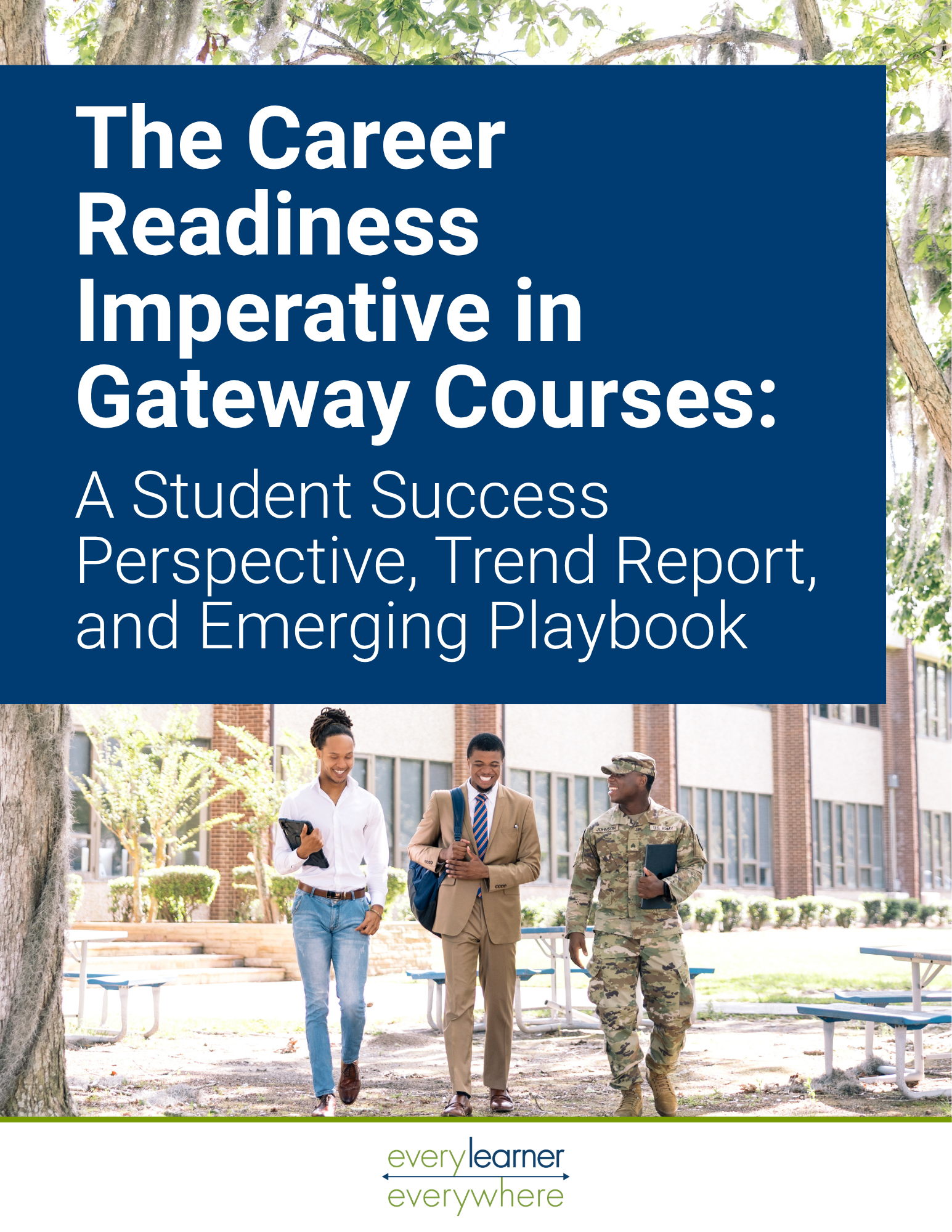
This resource examines the growing trend of U.S. colleges and universities integrating career readiness into academic courses, with particular attention to gateway and general education courses early in degree programs. It focuses on how students experience the relevance of what they learn in these early courses, and it provides strategies institutions can use to help students experience that relevance earlier, more explicitly, and more consistently.
The IIRP Graduate School’s Course Design for Student Success Rubric, is a robust rubric, designed to support student engagement, access, and success across varied learner populations and institutions, including undergraduate, graduate, 2-year, etc. We want to inspire faculty, instructional designers, and administrators along their path of continual improvement.
In this resource, we’ll explore why digital literacy is the essential foundation for navigating the age of AI, unpacking the skills and knowledge needed to use digital tools effectively and to critically analyze the complexities and potential pitfalls of the online world.
This playbook is designed to guide faculty development professionals in colleges, universities, and other higher education organizations to develop and implement GenAI professional development opportunities for faculty and staff.
This case study provides insights into how three HBCUs—Claflin University, Fayetteville State University, and Morehouse College—have paved the way for student success in digital learning through innovative progress and institutional commitment to effective practices.
As AI becomes increasingly embedded into educational settings and practices, it offers both opportunities and challenges. This comprehensive resource will help navigate both aspects — demonstrating how AI can help overcome technology barriers, including various recommendations for integrating accessible AI across different areas of higher education.

This profile examines the culture at Hispanic Serving Institutions as well as opportunities and challenges around digital learning at HSIs. Our research uncovered that students at HSIs valued experiences that celebrate Hispanic and Latino culturas (cultures), nurture bonds among and service to the Hispanic comunidad (community), and demonstrated the institution’s intención (intention) to serve Latino students.

This profile examines the student experience at Historically Black Colleges and Universities. Historians, educational researchers, and journalists have noted differences between the Black student experiences at HBCUs and other types of higher education institutions.

This profile examines the culture at TCUs. Tribal leaders, historians, educational researchers, and journalists have noted the unique role of these institutions that center on preservation and revitalization of tribal bonds as well as preservation and revitalization of the knowledge and culture of the first nations.
In this new resource, 12 instructors from a variety of two-year and four-year institutions share their experiences adopting digital learning tools to promote equity and improve learning outcomes for historically marginalized and under-resourced students. Their narratives highlight successes as well as bumps in the road as they implemented digital learning tools into their teaching.
Tyton partners’ Listening to Learners 2023 reveals that while 70% of students value representative diversity among advisors, only 30% of institutions report scaled implementation of this hr practice. Cutting-edge research identifies strategies to enhance student outcomes and create a sense of belonging in higher education.
This guide presents results from an analysis of 100 academic continuity plans at U.S. colleges and universities. The results form the basis for recommended academic continuity plan best practices, tools, and templates academic leaders can use to maintain a plan that can be used in both short-term and long-term circumstances.
This 2023 study – the largest and longest running study monitoring digital learning in higher education – aims to identify the differences between student and institutional stakeholder experiences and preferences to suggest ways institutions and solution providers can address these differences.
Time for Class 2022 examines how faculty and institutional leaders are using instructional materials to implement teaching practices that can improve student learning and outcomes, especially for students historically underserved by higher education. This report reviews how digital learning in high-enrollment introductory courses can enable instructors to incorporate evidence-based teaching practices and work to close equity gaps in courses.
Colleges and universities can help alleviate the burden students face every day, including restructuring mental health support on campus, providing options for digital learning, encouraging teachers to apply trauma-informed teaching practices, and connecting students with the resources they need to thrive.
This playbook presents six concrete strategies for academic leaders, college-level leaders, and instructional design staff to adopt now to better support their online adjunct faculty and the community of students and learners in their classrooms.
The equity review tool is designed for educators striving to create more validating and affirming learning experiences and environments for students. Using this tool, educators will be able to develop and evaluate their resources and the language they use to ensure they are asset-based and supportive of a more equitable teaching and learning process.
This report is an executive summary of the findingins following the implementation of digital learning tools at seven community colleges.
Full report of digital learning adoption in seven community colleges in the ATD network.
This report describes the Every Learner Everywhere® supports for lighthouse institutions, the experiences and accomplishments of course improvement teams at those institutions, and implications for future efforts to improve teaching and learning practices in higher education.
Panelists share tenets to purposefully embed equity, social justice, and inclusion into innovative teaching and learning in face-to-face and virtual spaces.
This document reports the findings of a 2021 survey of administrators about policies and practices that impact online adjunct faculty, equity, access, and quality.
This webinar will highlight the findings of the WCET and OLC Adjunct Faculty Survey and provide research-based recommendations for supporting institutional leaders, support staff who work with adjunct faculty, and adjunct faculty members themselves.
This webinar explores how to develop and design course content that is inclusive of diverse students, perspectives, cultures, and lived experiences.
Presenters discuss the intersection of the Feedback & Assessment and Instructional Strategies domains of the CSU Teaching Effectiveness Framework.
Evidence-based frameworks to welcome and support all students, regardless of their background, abilities, identities, needs, or preferences.
Faculty at HCC led efforts to implement adaptive courseware in introductory mathematics and economics courses.
This report focuses on building the core infrastructure needed for high-quality digital learning and is designed primarily for a mid- to senior-level academic administrators including department chairs, leaders of centers of teaching and learning, technology leaders, and academic leadership.
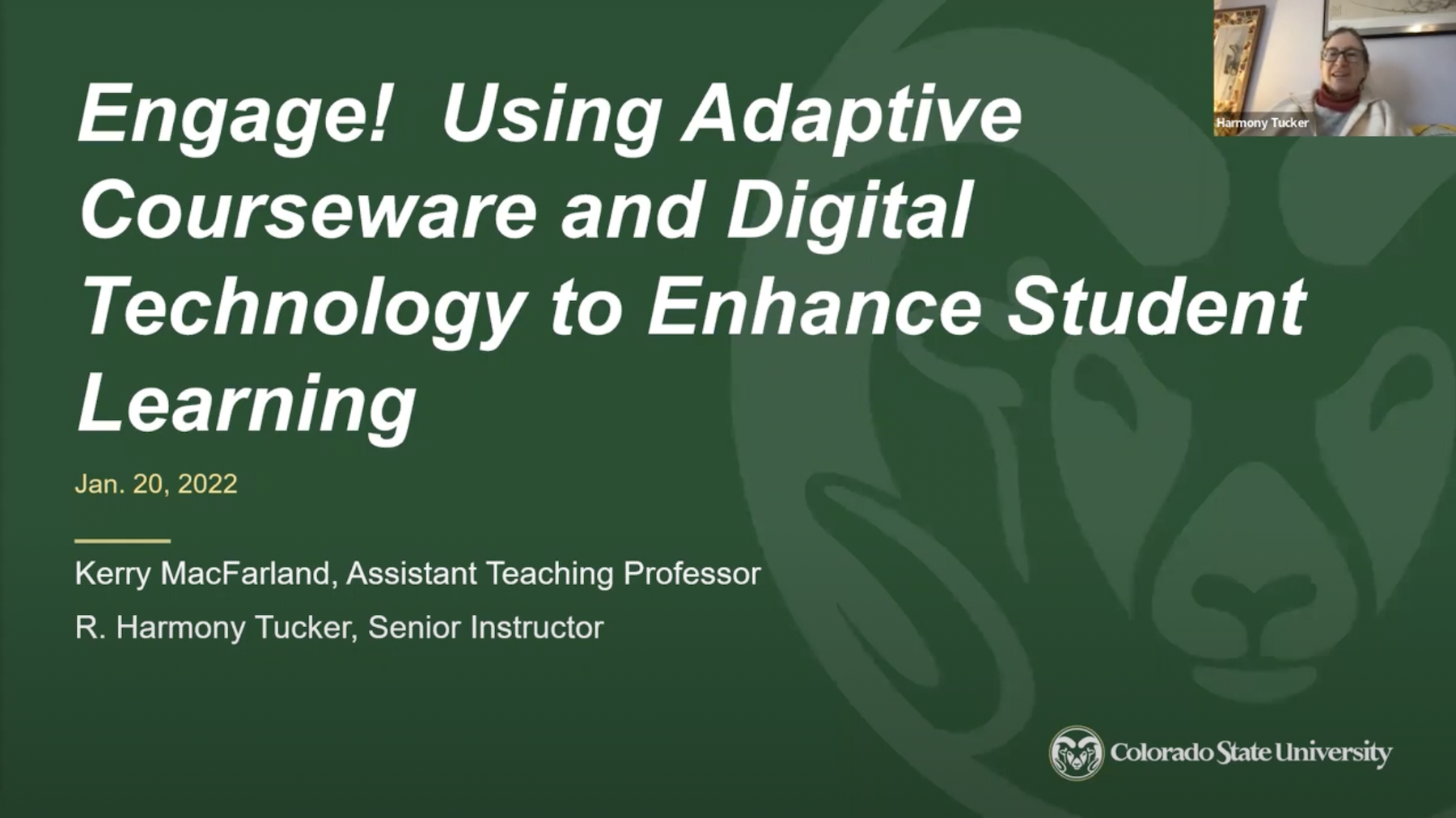
Chemistry faculty use adaptive learning platforms, static homework, in-class active learning activities, and digital monitoring to enhance student learning and engagement.
In this webcast, our passionate and inspiring conversationalists shared hopes and aspirations for what’s to come for Higher Education in 2022.
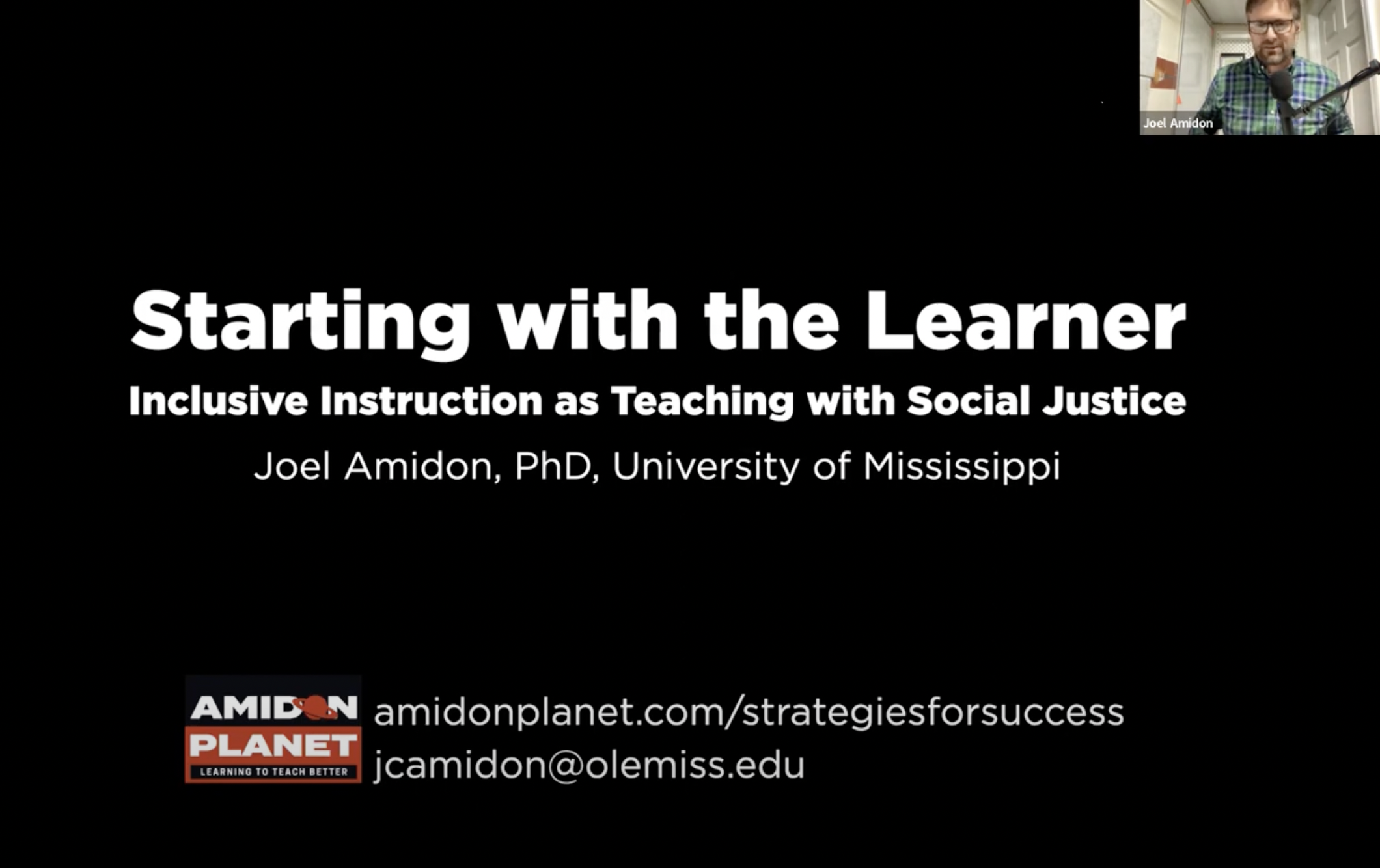
Participants consider how to make instructional design decisions that provide an inclusive learning environment.

Dr. Jeremiah J. Sims discusses the impact on students of the Washington State Guided Pathways Initiative in Diversity, Equity, Antiracism, and Leadership (IDEAL) Fellows Program.

A case study on integrating adaptive tools into course redesign provides instructional design support and integrated adaptive technology.
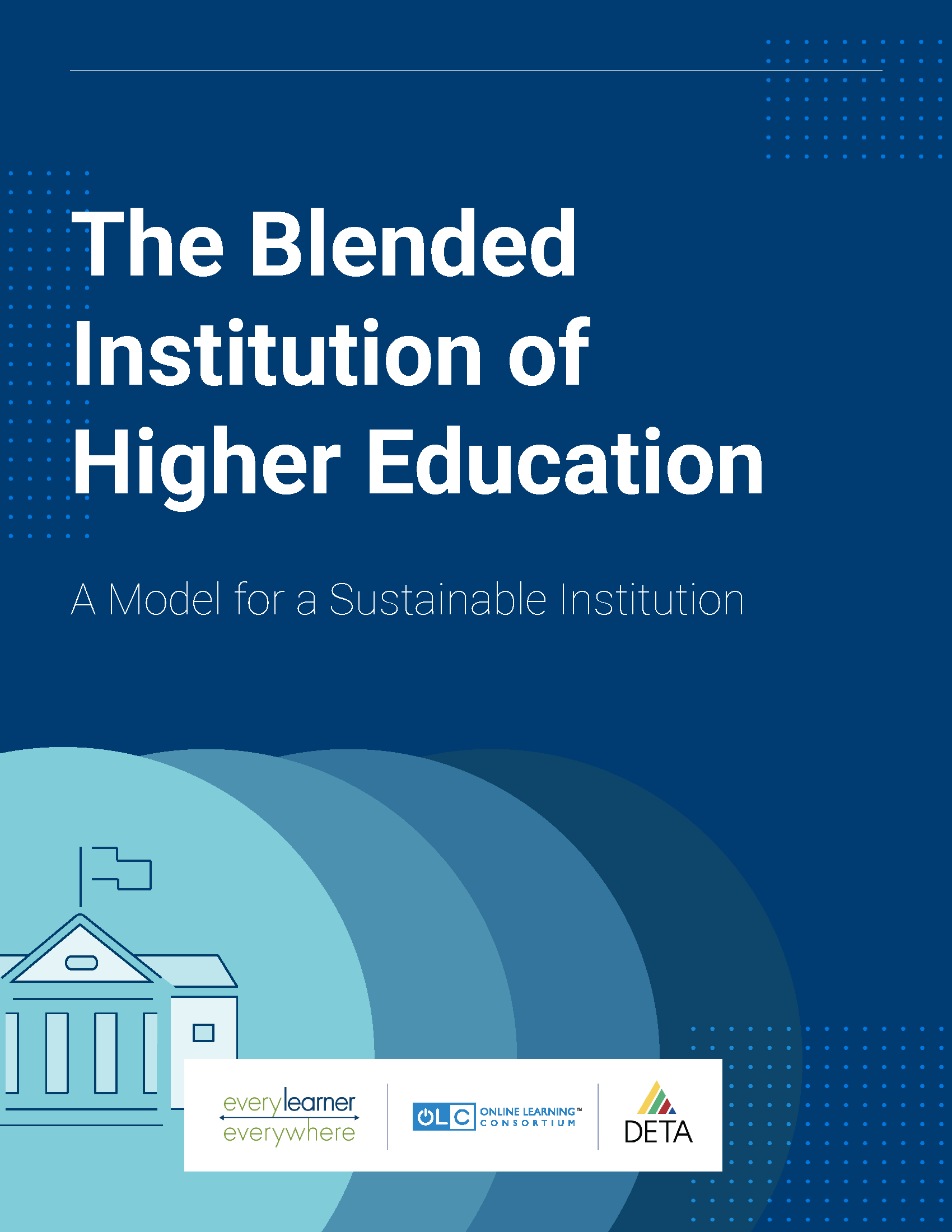
This guide is meant to support leaders as they transition from managing reactively to leading strategically and offers leaders a sustainable institutional model that centers on student equity and success.
This faculty professional learning session helps faculty and educators to identify and engage a strategic set of stakeholders to support a strong implementation plan for adaptive courseware.
Faculty discuss course design choices and pedagogical practices that accompany the effective implementation of adaptive courseware.
Panelists discuss how adaptive courseware supported broader institutional and faculty-led efforts to improve student outcomes.
Students discuss their experiences with adaptive courseware and other learning technologies, and how these have affected their learning in different courses.
Academic leaders share their experiences and advice for approaching, sustaining, and scaling best practices with adaptive learning.
Faculty describe inclusive teaching strategies, alongside digital tools, to help connect the content to the student in meaningful and lasting ways.
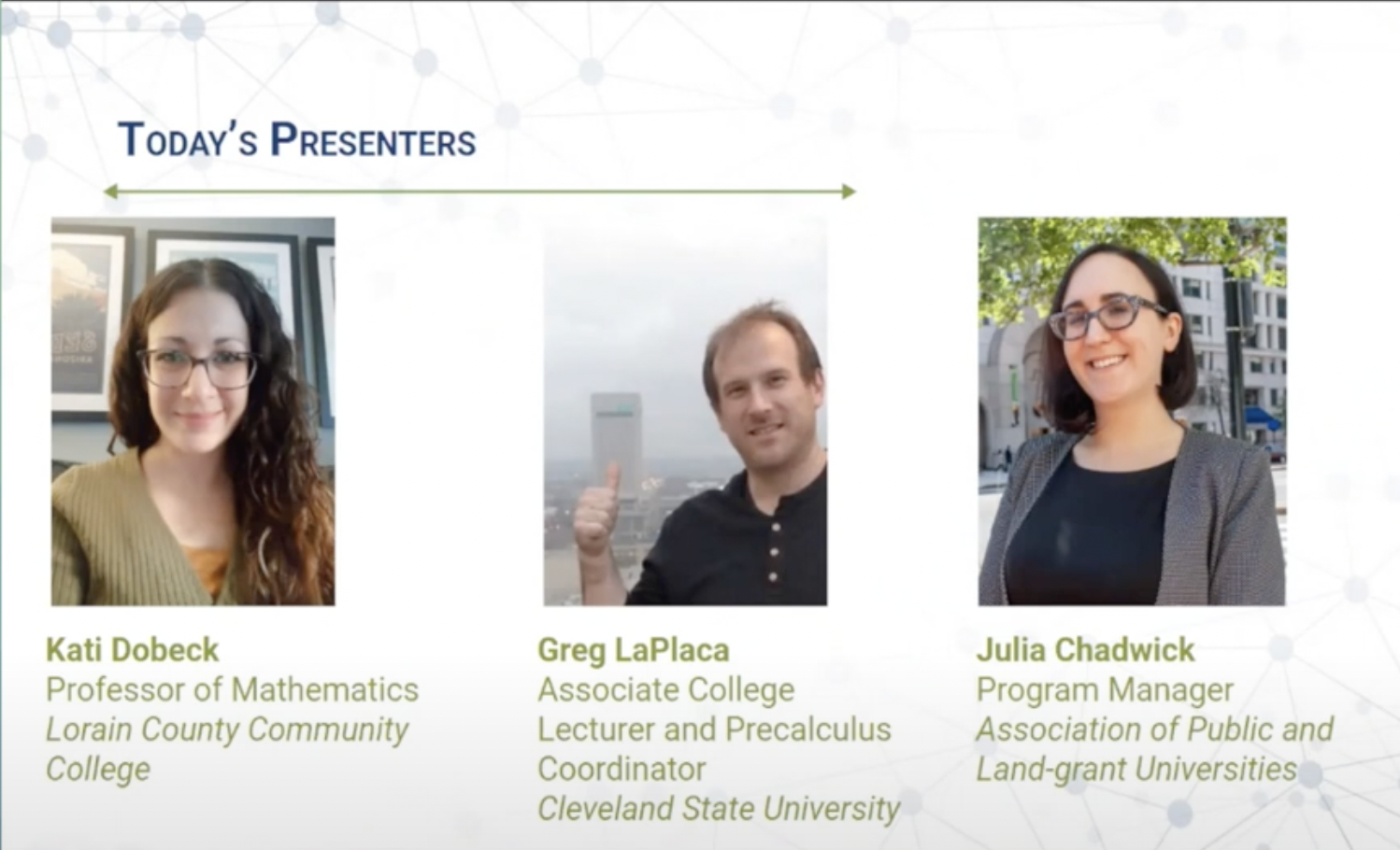
This session will explore how faculty leverage real time learning data analytics from adaptive courseware dashboards to guide their instruction.
Faculty and educational researchers describe how to refine and improve courses; evaluate the impact of pedagogical changes; and center quality research design.

Explore how adaptive learning tools and practices can transform math courses to increase student success.
The study suggests that adaptive learning technology helped students who need support with prerequisite concepts, provided tools to help guide students through complex, multistep processes, gave faculty insights into concepts students were struggling with, and reduced the cost of course materials.
An overview of the APLU Winter 2021 Digital-Forward Skills and Roles Workshop, which identified and described emergent digital-forward skill sets and roles.
This case study examines the efforts at three of the seven ATD network colleges participating in the Every Learner Everywhere® initiative who focused on these disciplines as part of their efforts to implement adaptive courseware as a tool in gateway courses to help more students persist and succeed.
Faculty at Broward College led implementation and integration of adaptive courseware efforts in introductory course design and activities.
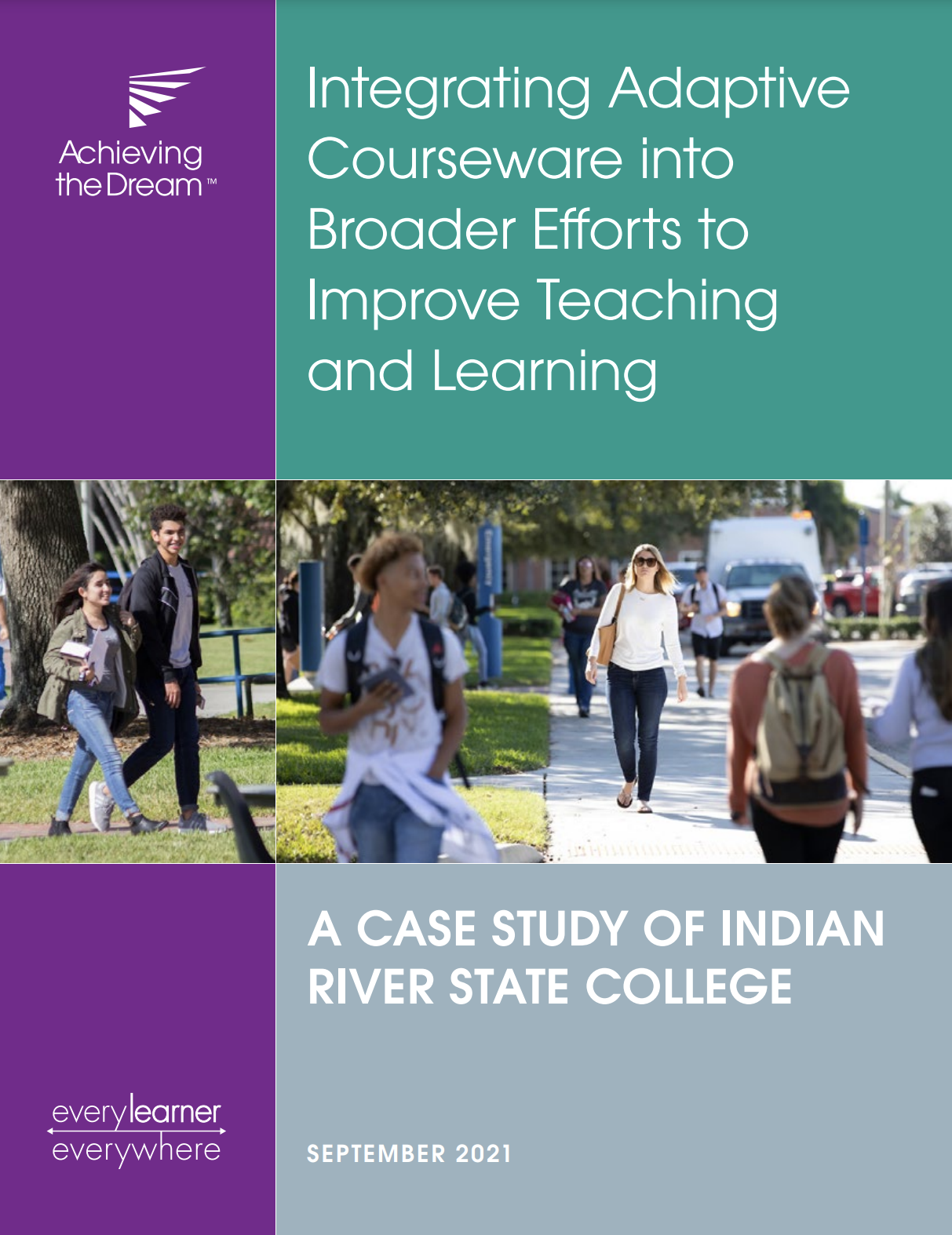
Indian River State College considered adaptive courseware a potentially powerful tool in its ongoing efforts to improve teaching and learning in online instruction and overall engagement and outcomes for students in math, physical sciences, and English.
This report summarizes the work of the Re-Writing Writing workshop where we invited a diverse range of digital learning experts to bring their distributed knowledge of digital tools to a four-session virtual workshop.
Lessons Learned is made up of over 30 recommendations for improving practices in higher education. It asks where unexpected benefits showed themselves among the forced necessity of emergency remote teaching, and it encourages faculty, administrators, and academic and student support colleagues to continue collaborating to remove barriers, improve access, and update methods and tools.
In fall 2020, Digital Promise administered a survey to a group of educators at selected two-year colleges and four-year universities to better understand the teaching practices they employ and the ways in which they use adaptive courseware in their gateway courses.
This presentation explores four dimensions of motivation and feedback, two learning science pillars that engage students in the learning process and fosters long-term memories with active and adaptive learning.
Learn about the development and impact of the Internet of Everything (IoE) SMART technologies (EduGadget) of mobile devices, smartphones, wearables, and virtual – augmented reality.
Time for Class is a comprehensive longitudinal survey of 4,000+ higher education faculty and administrators, fielded since 2014 by Tyton Partners.
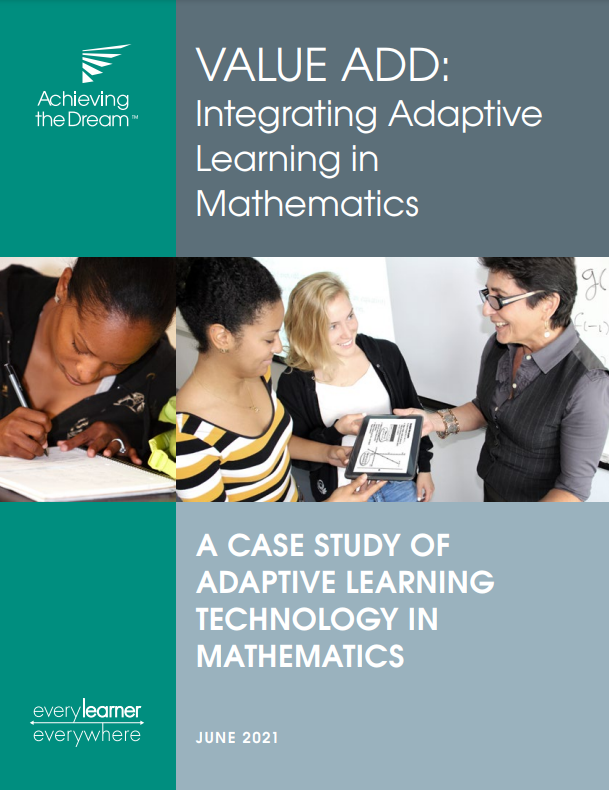
Seven colleges implement adaptive courseware in gateway math courses and find it is a necessary corequisite in supporting student success.
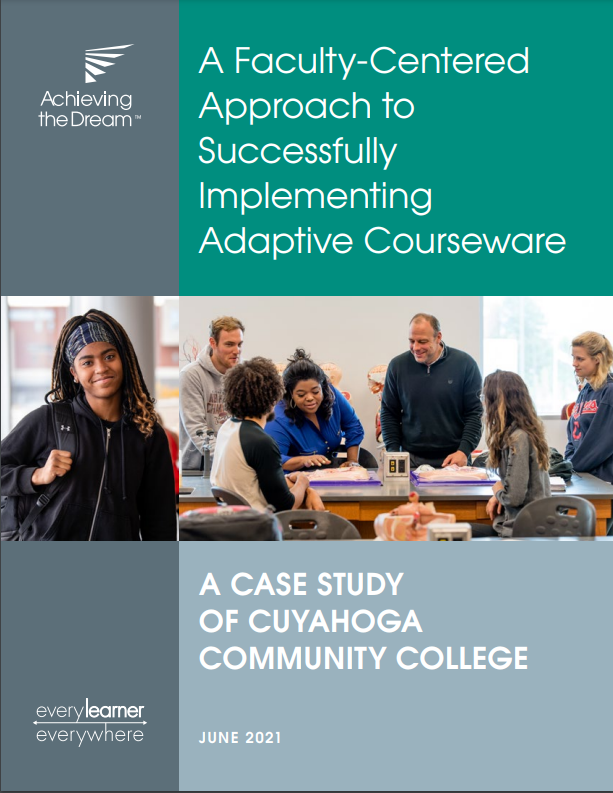
Faculty at Cuyahoga Community College led efforts to implement and then scale adaptive courseware for gateway courses in more than a half-dozen disciplines.
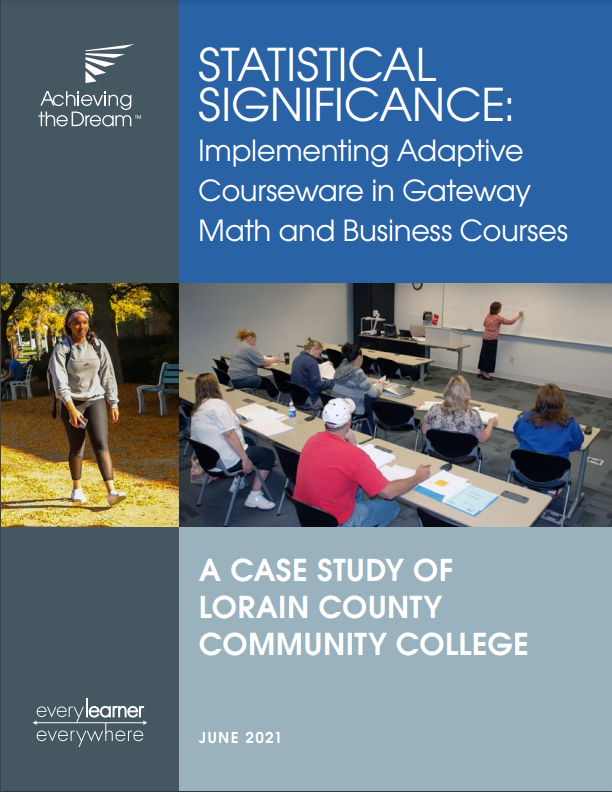
Faculty in several disciplines at Lorain County Community College explored the use of adaptive courseware, ultimately implementing it in a gateway statistics course and several business courses.
Neuroeducation strategies can help faculty feel more effective, create a warm and equitable learning environment, and improve student outcomes.
A discussion about teaching equitably with strategies to combat some of the inequities that exist within the field of English Composition.
An overview of the tips and best practices for initiating an intentional movement to improve equity in gateway courses within your department.
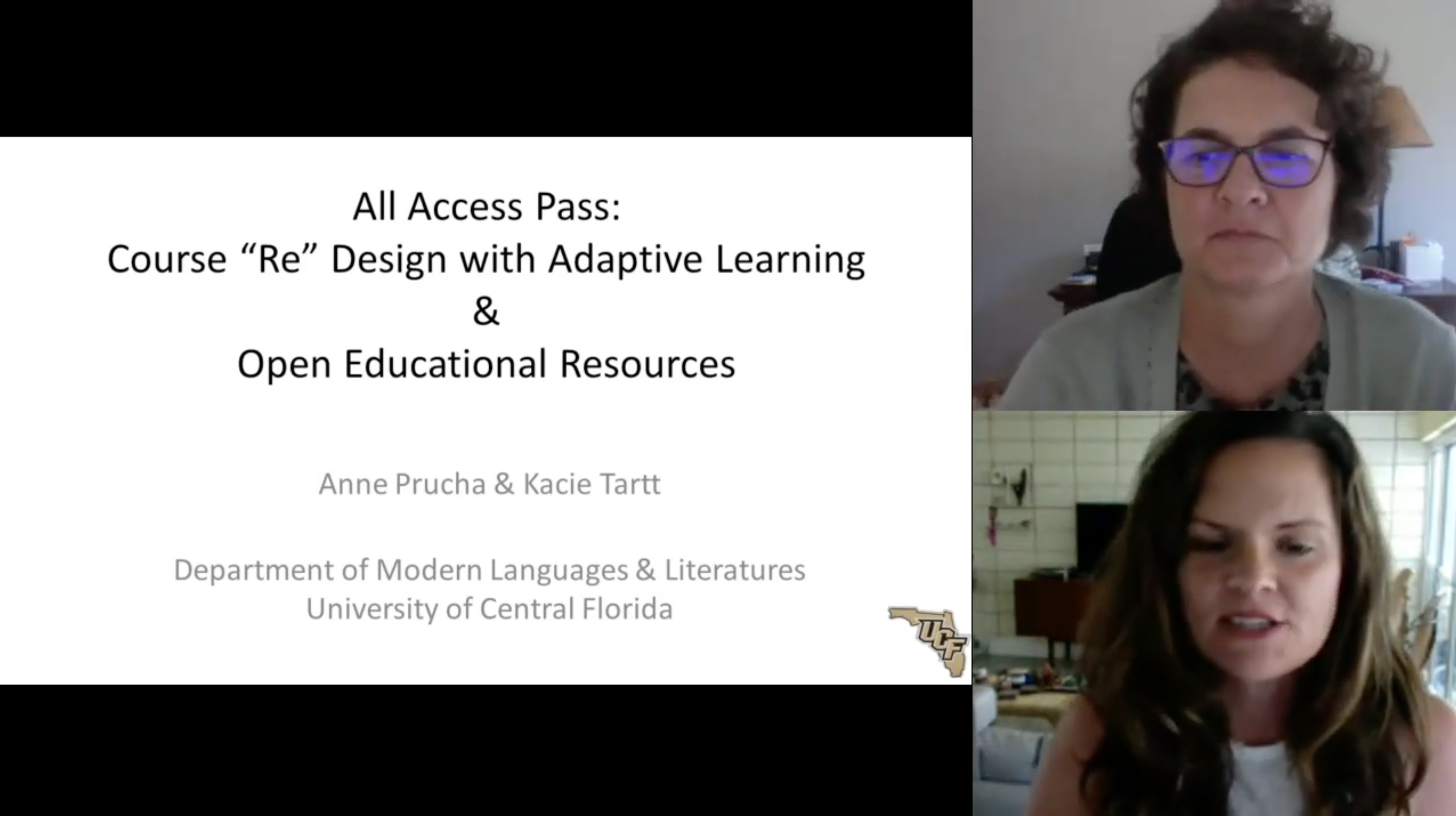
Learn about the work of faculty at the University of Central Florida who improved accessibility and equity through the adoption of adaptive learning practices.
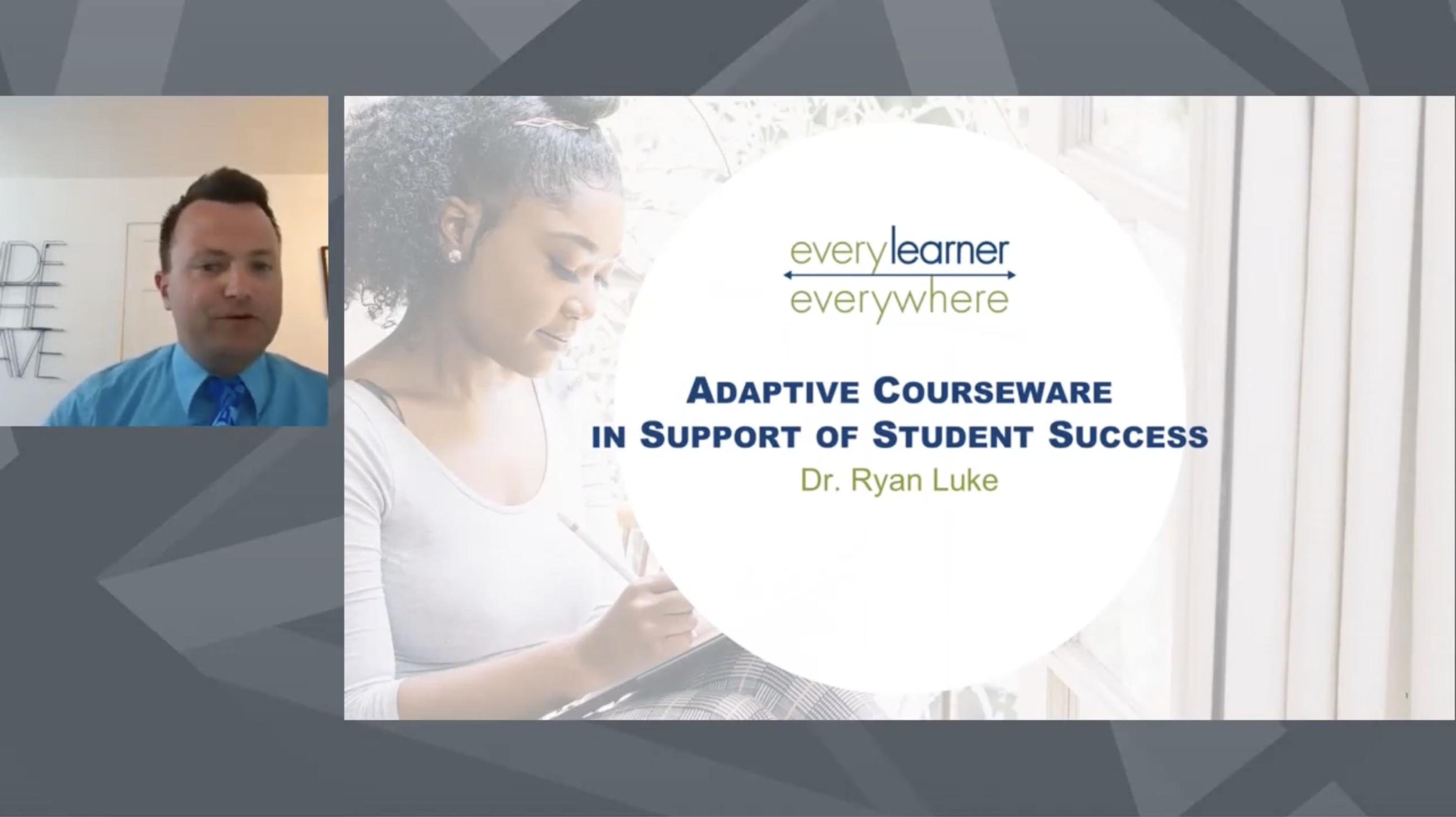
How personalized digital learning technology can support evidence-based teaching.
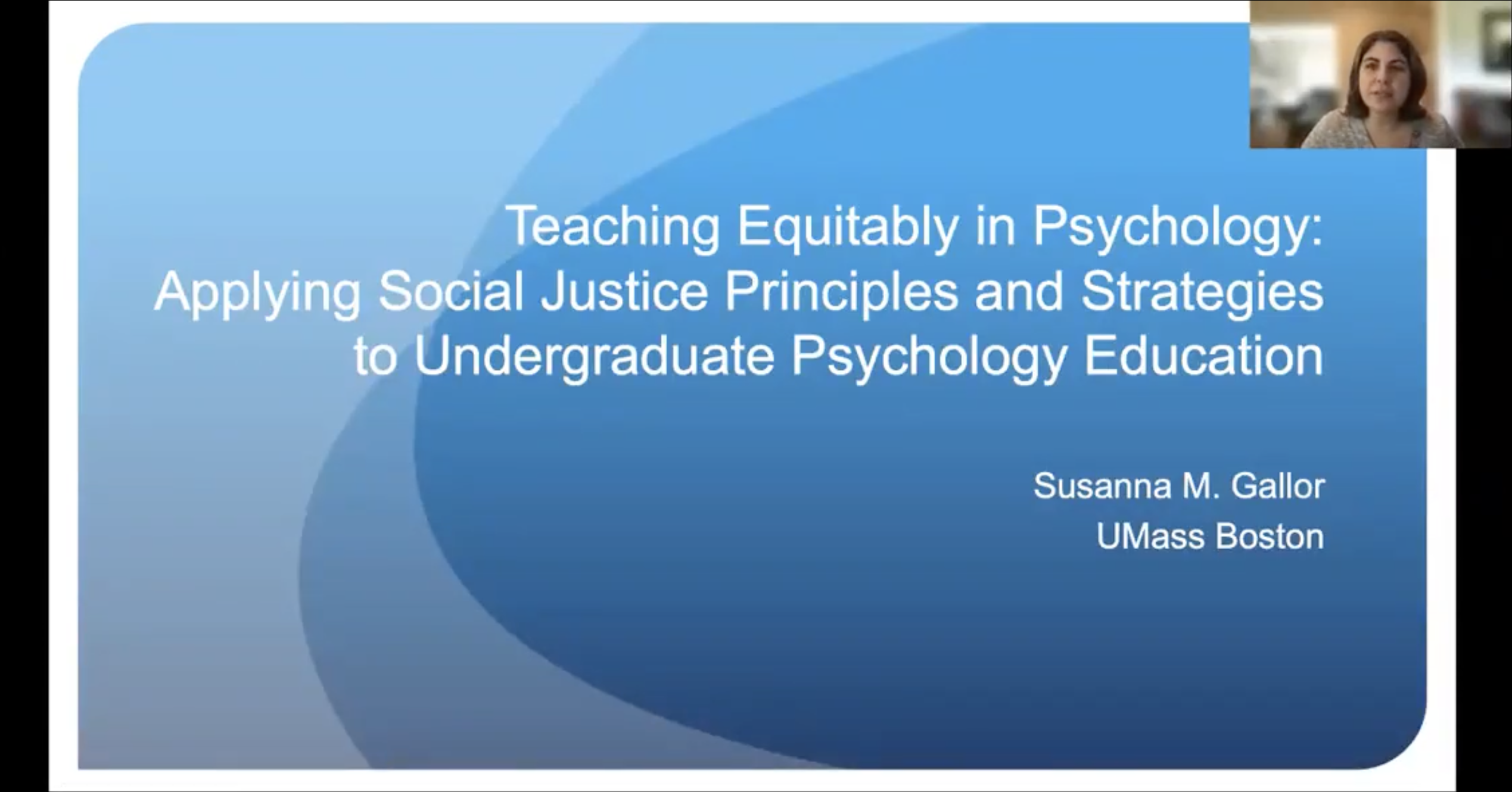
How to create an inclusive and equitable learning environment in psychology.

A discussion about strategies for teaching equitably in mathematics to combat some of the inequities that exist within the field.
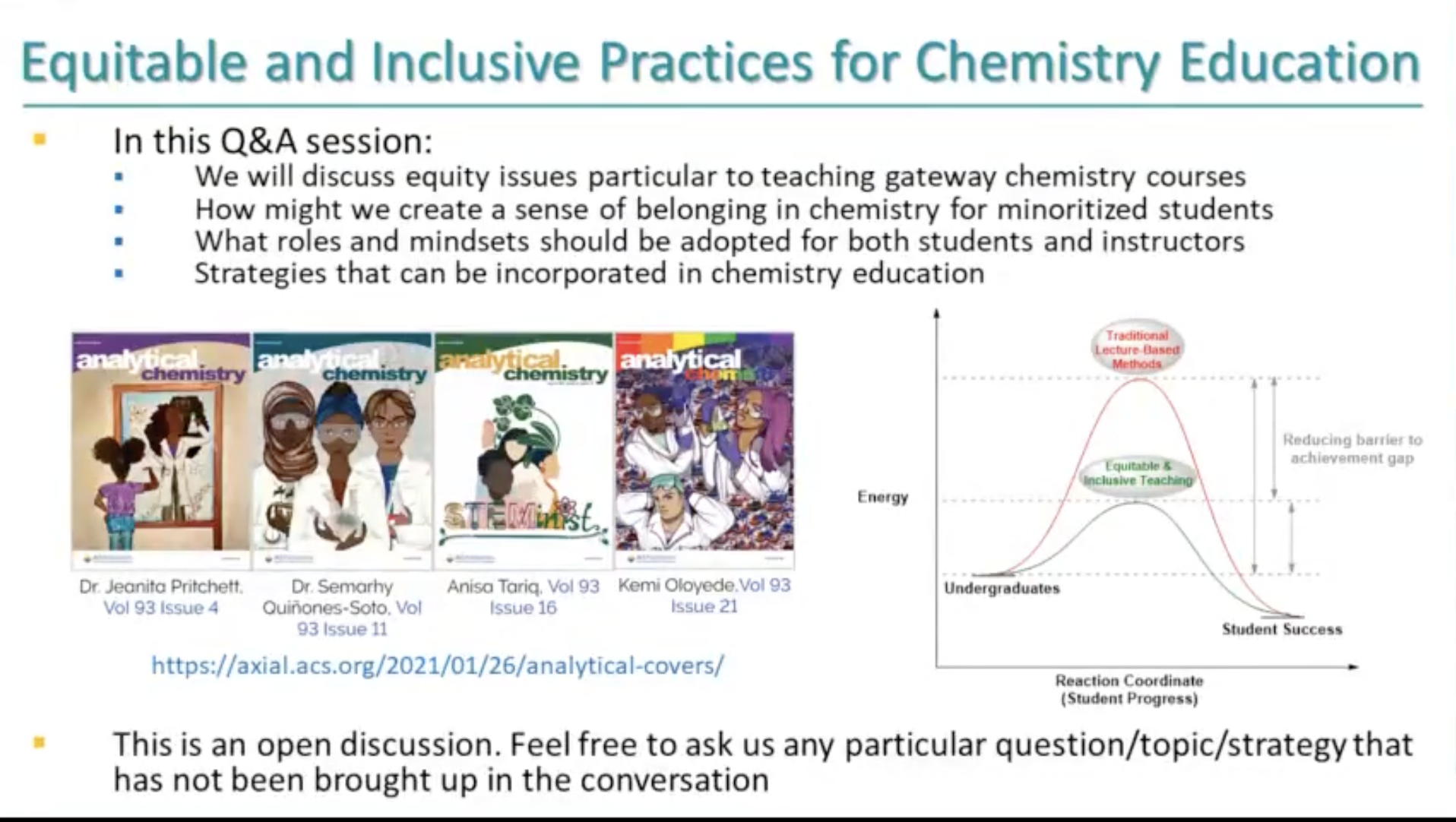
A discussion about equitable and inclusive practices for chemistry education with strategies to combat some of the inequities that exist within the field.
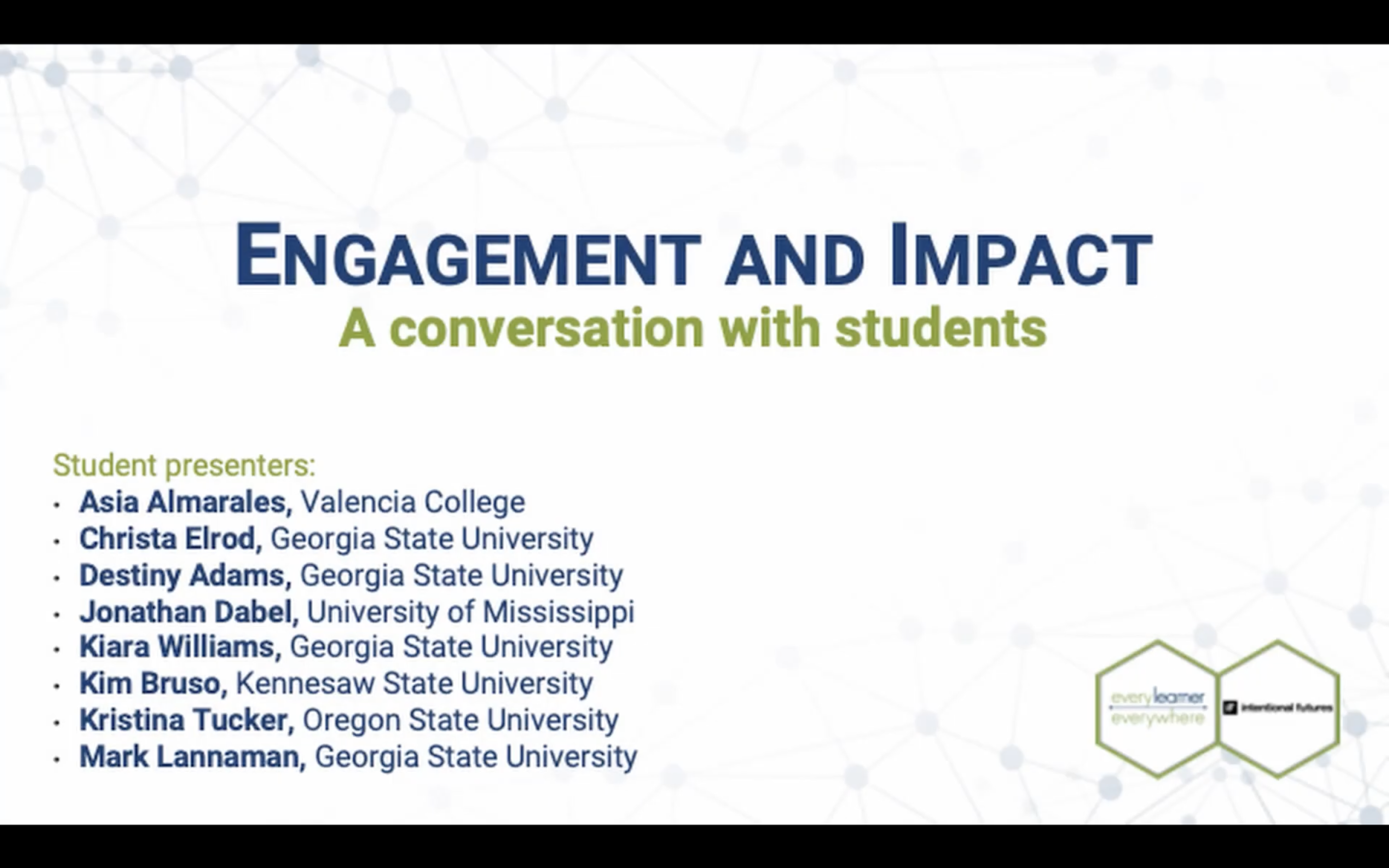
Learn directly from students what it means to create an engaging and inclusive classroom and learning environment.
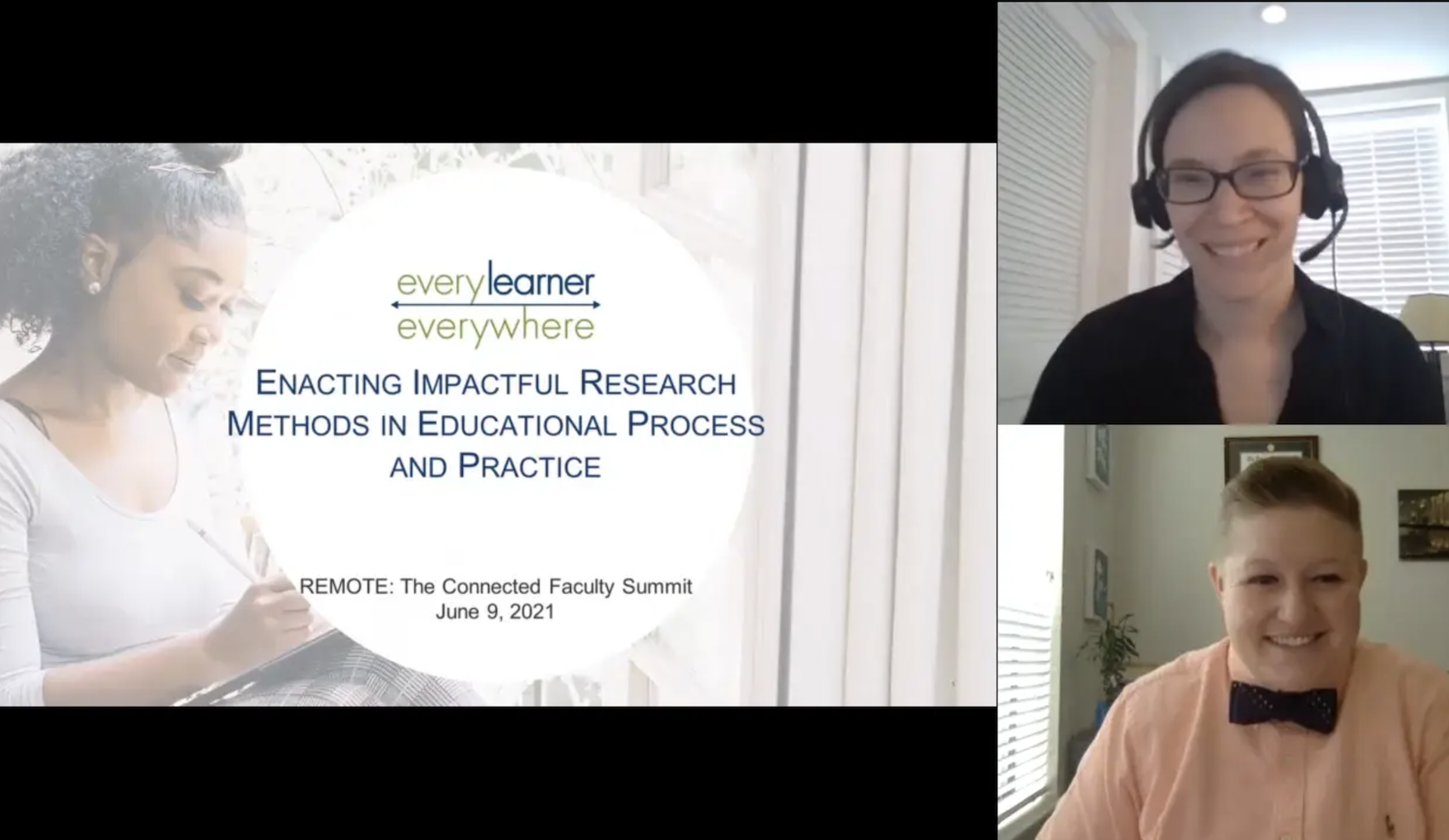
An overview of how continuous improvement strategies in our educational process and practice can be used to improve student engagement and increase academic success.
This playbook offers authentic and easily implementable strategies to help instructors to care for their students and ensure their success in the classroom and beyond.
By integrating teaching and design principles, this guide assists faculty in positively impacting student learning, especially for students who are minoritized because of race, gender, disability, or socioeconomic status.
This brief explores how pedagogical, content, and mindset changes can reduce obstacles for minoritized students and support equity in biology.
This brief shares how asset-based instruction, fostering student belonging, active learning, and flexible and differentiated coursework can reduce equity gaps in chemistry.
This brief explores how adjusting pedagogy, and eliminating linguistic bias can support equity in English composition courses.
This brief recommends resources to inform teaching to account for linguistic diversity and ability and promote a more equitable academic environment for students in English composition courses.
This brief suggests diverse pathways, student-centeredness, and bias training to close equity gaps in mathematics courses.
Joel Amidon is on a mission is to lead people to love others through teaching, providing solutions for equity in math courses.
Getting Started With Equity: A Guide for Academic Department Leaders has a very specific purpose, which is to serve as a first step for department chairs to develop and curate an educational environment that is simultaneously justice-centered and equity-advancing.
Every Learner Student Fellows overview of their internship with Intentional Futures centering student voice.
The purpose of the review is to identify institutional, instructional, and learning practices mediated by educational technologies that positively influence the success of certain racial and ethnic groups of American students.
This guide moves beyond getting started with blended learning to help educators realize the best of online and onsite instruction and implement research-driven techniques to positively influence student outcomes.
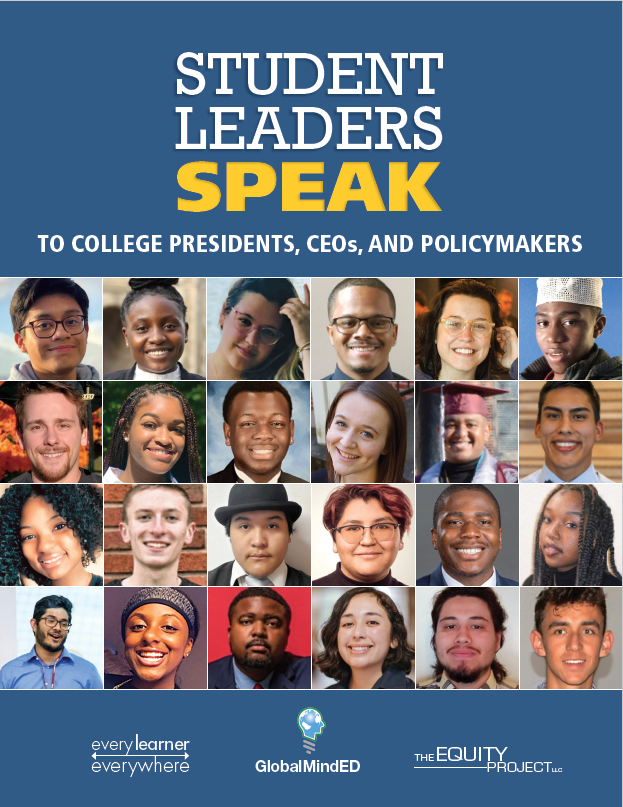
Student Leaders Speak documents a national snapshot of diverse college students, including many who are first-generation as they reflect on their lives, their learning, their digital experiences, their challenges, their setbacks and their triumphs.
A panel discussion about Evidence-based teaching strategies that center equity in online and hybrid modalities.
In this webinar, learn simple teaching strategies to help students take charge of their learning and ensure all students master content.
Active and adaptive learning strategies can engage students in blended and online environments, resulting in improved student outcomes and success.
Instructors share their experiences in redesigning Elementary Spanish through a university initiative focused on increasing student success in gateway courses.
This fall 2020 survey explores the impact COVID had on higher education faculty in STEM fields and how that experience informed their opinions of online education’s effectiveness..
In this session we address key learnings about instructional practices and student learning outcomes, usage of digital tools and impact on faculty time, and share key challenges we must continue to confront as well as the strategies faculty and institutions are deploying to better ensure that Every Learner Everywhere® is able to learn.
In this live Q&A panel, participants engage with Every Learner Everywhere® Expert Network professionals to discuss equitable and inclusive teaching practices and digital learning to foster student-centered learning.

This session facilitates participant discussion on how to connect local environmental and climate justice issues to STEM concepts.
An overview of strategies and tools that engage students’ prior knowledge and supports their performance by differentiating the content, process and assessments.
This guide features numerous links to resources academic administrators can draw from to effectively support a continuously improved teaching and learning environment that is sustainable for years to come.
In this live Q&A panel, participants get answers to their remote teaching questions.
Three reports in a series designed to understand the ongoing impact of COVID-19 on teaching and learning in higher ed.
Rich media tools and thoughtful student-student, student-teacher, and student-content interactions can be powerful tools in online course design that inform “how we teach” and underpin successful use of technology in the online learning environment.
Insights on teaching in a time of Covid from Digital Promise’s Survey of Student Perceptions of Remote Teaching and Learning in May 2020.
A brief exploration on how faculty can position cultural knowledge and centering identity as a cognitive tool.
Faculty discuss adaptive learning in science and how tools and practices can transform courses to increase student success.
Faculty and administrators at Indian River State College discuss transitions to adaptive learning during the 2019-2020 school year.
This case study looks at how biology students can make test bank questions relevant by co-writing them